The Heavy Yoke
Understanding the challenges we face at Kuja Special School for the Deaf
Like a heavy yoke upon our shoulders, these challenges weigh us down. Yet with your support, we can lighten the burden and create a better learning environment for our children.
1. Dilapidated Classrooms
Our classrooms are in desperate need of renovation. The current state of our learning facilities poses significant challenges to effective teaching and learning.
Poor Flooring
The classroom floors are cracked, uneven, and in some areas completely worn out. This makes it difficult for learners with mobility challenges to move around safely.
Broken Windows
Many windows have broken panes, exposing learners to harsh weather conditions, dust, and cold. This affects concentration and learning outcomes.
Structural Damage
Walls have cracks and the roofing is compromised in several areas, posing safety risks to both learners and teachers.
Outdoor Learning Environment
The school requires improved landscaping, shaded sitting areas, and safe recreational spaces where learners can participate in outdoor educational and co-curricular activities.
Inaccessible Classrooms
Some classrooms require improved accessibility features such as ramps and handrails to enable learners with physical disabilities to move safely and independently.
Inadequate Classroom Furniture
The school has an insufficient number of desks, chairs, and specialized seating, making it difficult to provide comfortable and appropriate learning spaces for all learners.
Poor Classroom Lighting
Some classrooms have inadequate lighting, making it difficult for learners with hearing impairment who depend on visual communication, including Kenya Sign Language, to clearly see their teachers and classmates.
Limited Specialized Learning Rooms
The school requires additional resource rooms, therapy spaces, and vocational training workshops to adequately support learners with diverse educational needs.
Limited ICT Facilities
The available computers and digital learning equipment are not enough to meet the needs of all learners, limiting access to technology-enhanced learning.
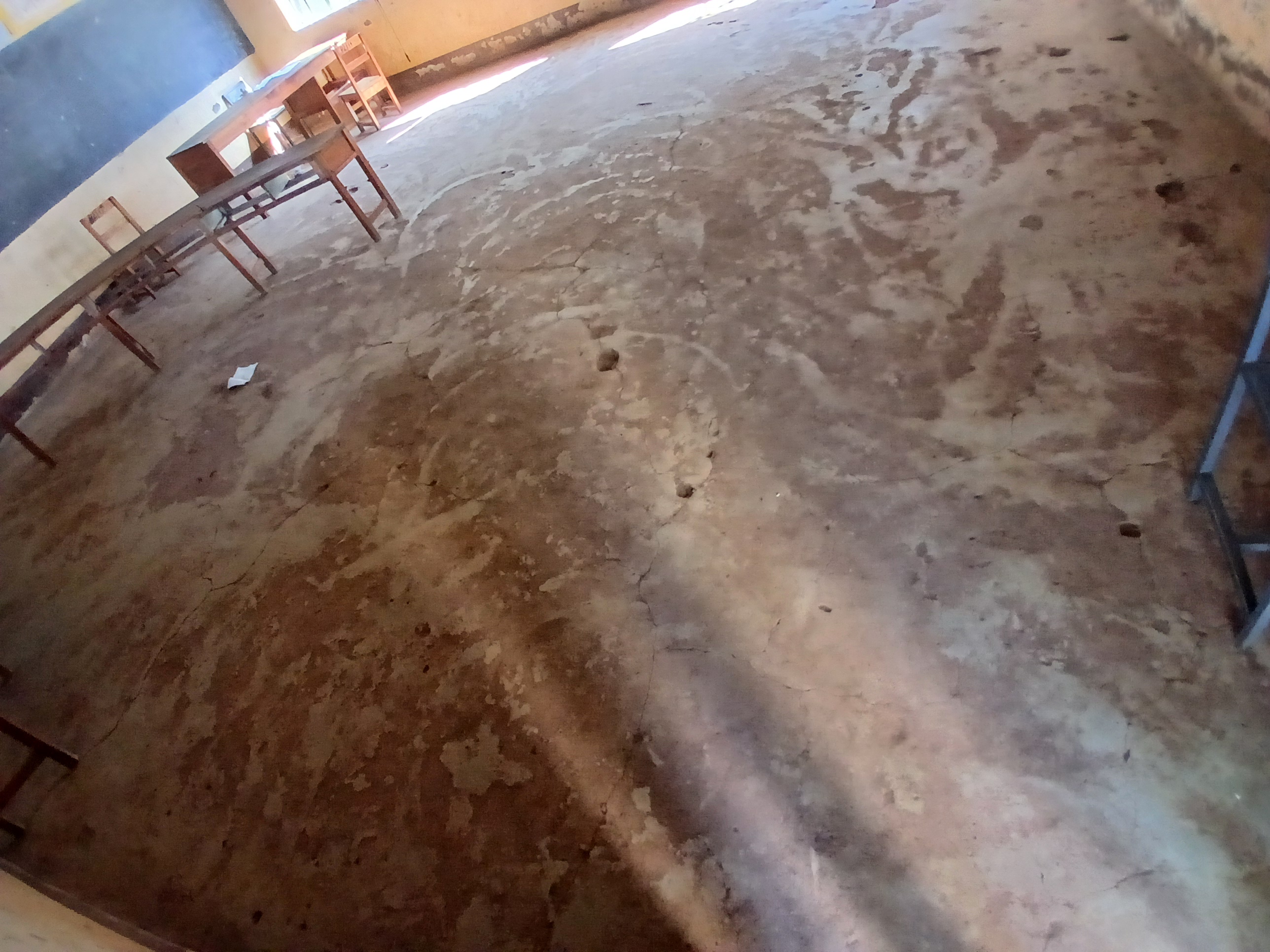 Cracked and uneven classroom floor. Several other classesare even worse.
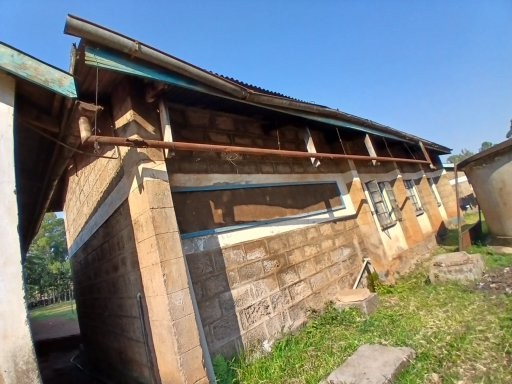 Wall cracks and structural damage
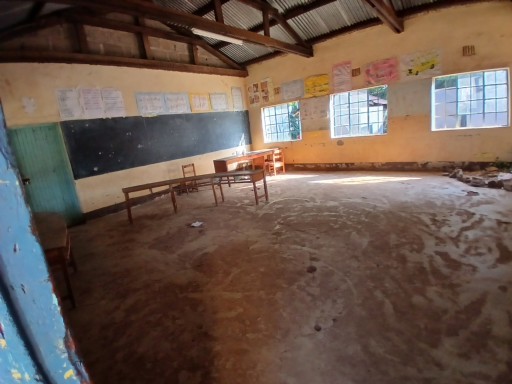 Overall poor condition of classrooms
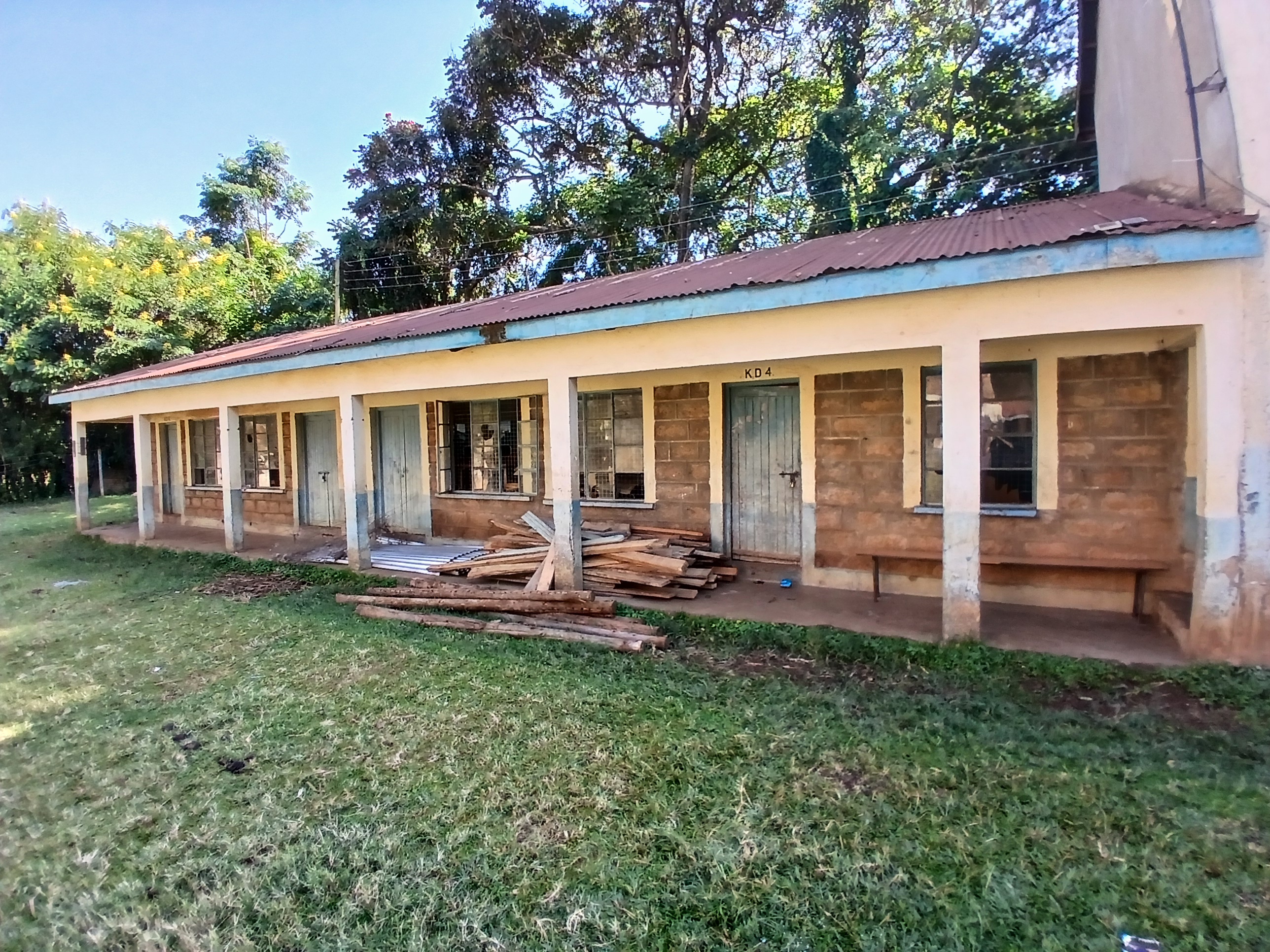 Idle classrooms that needs renovation to accomodate leaners. This could as well be renovated and converted into COMPUTER LABORATORY since we sadly do not have any
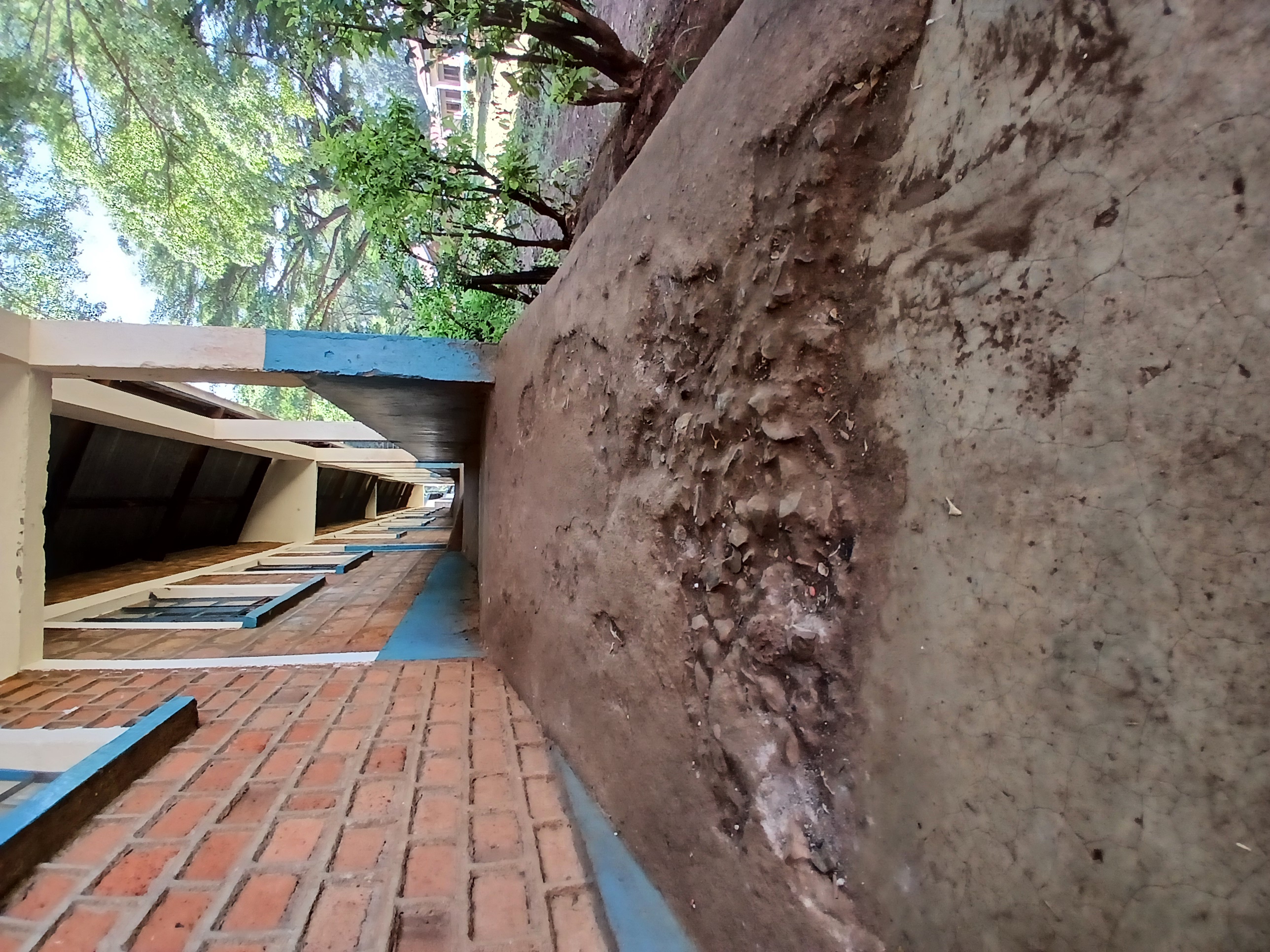 Poor pavements that can break legs of our children and staff should they stumble
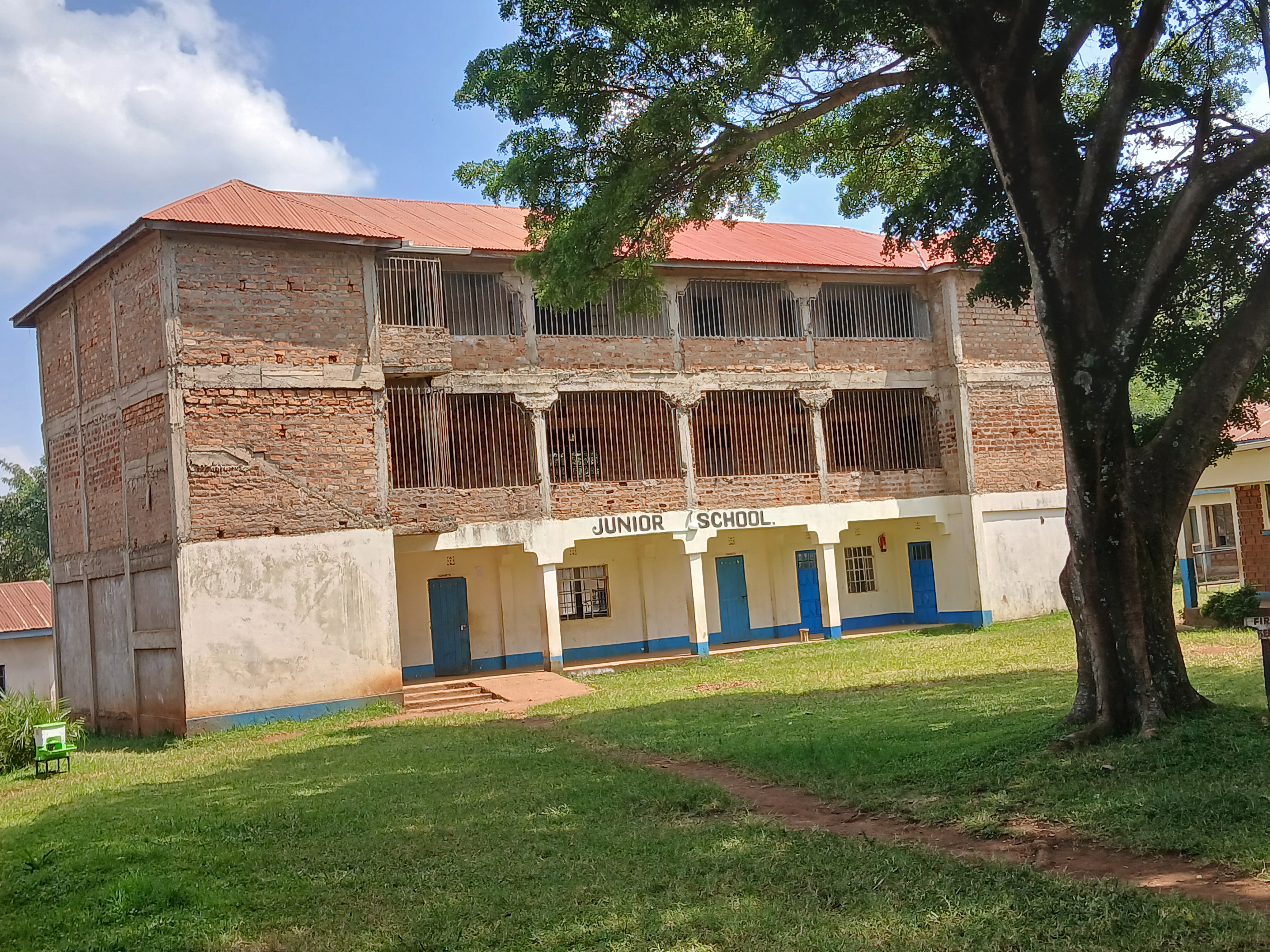 Incomplete Junior School Block
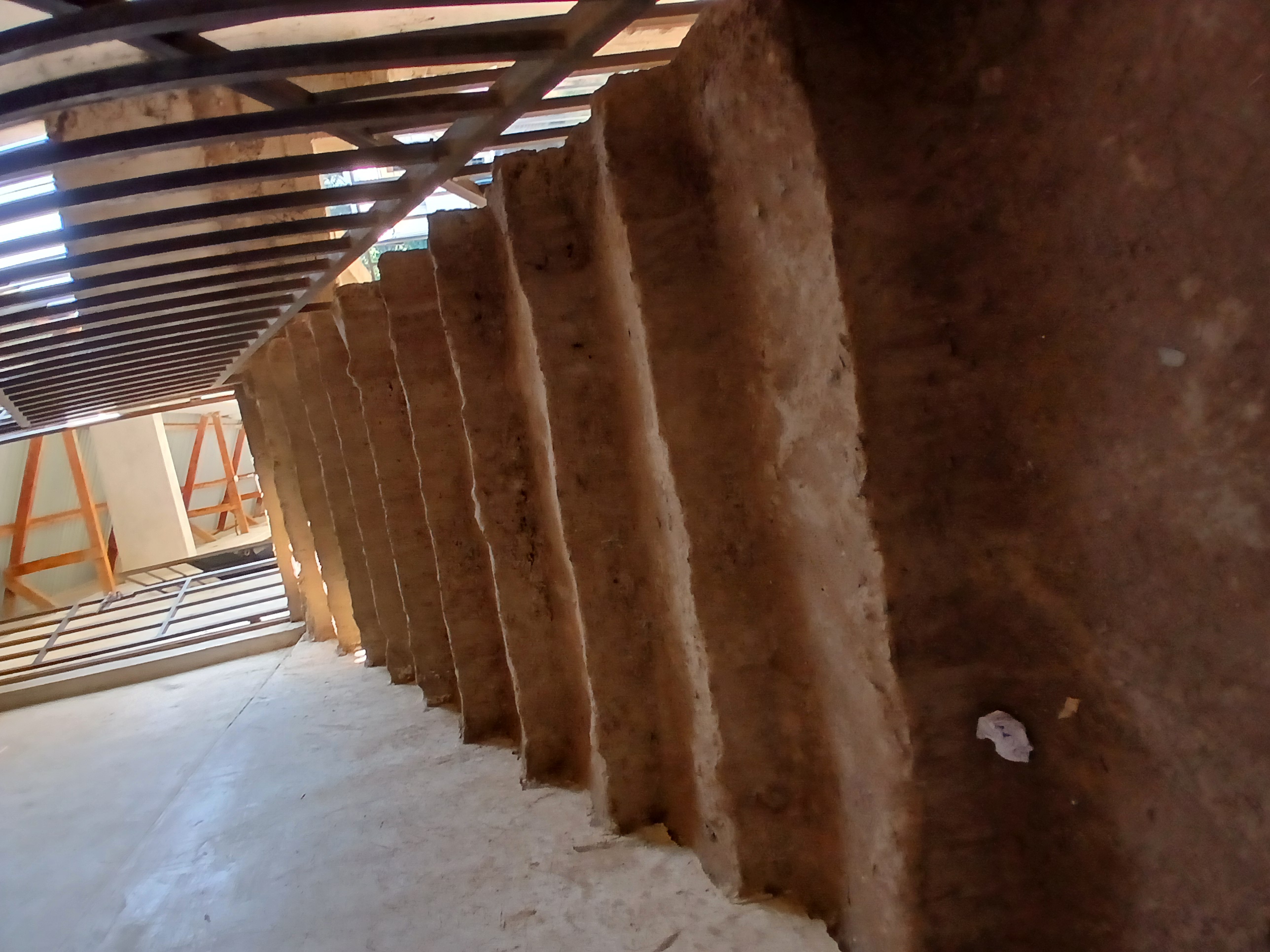 Junior Block Staires
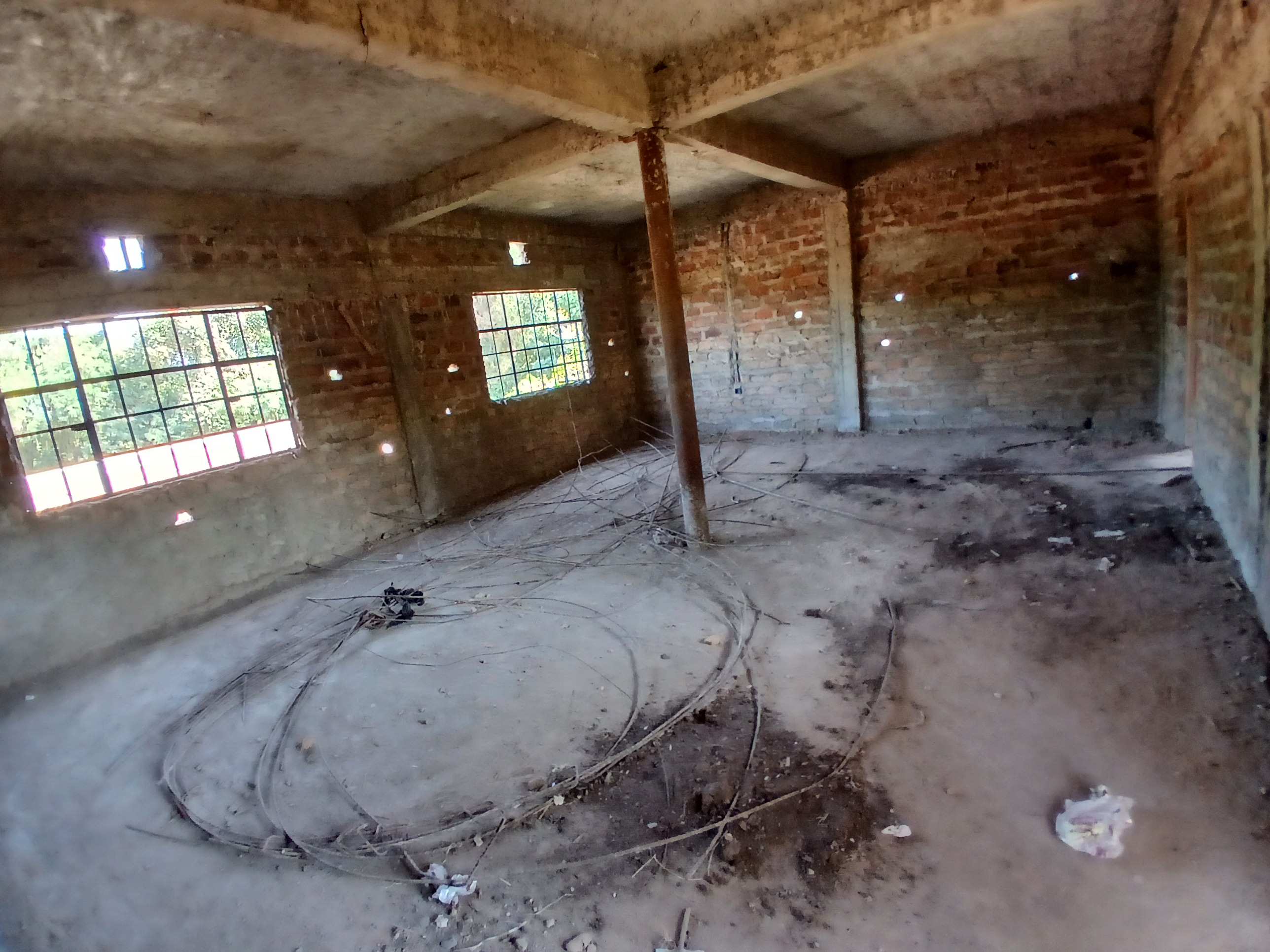 Inside Junior Block Classrooms,First Floor
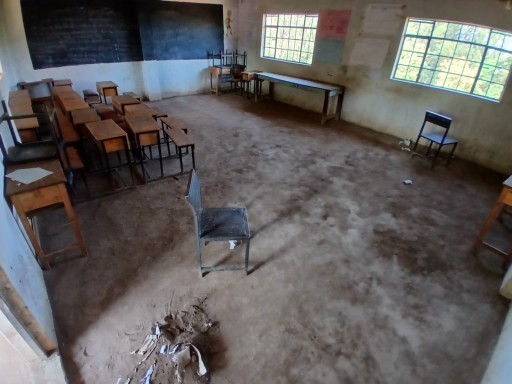 Junior Block Second Floor. We have forced learners inside here. They learn in this poor environment. No panes. Very dangerous.
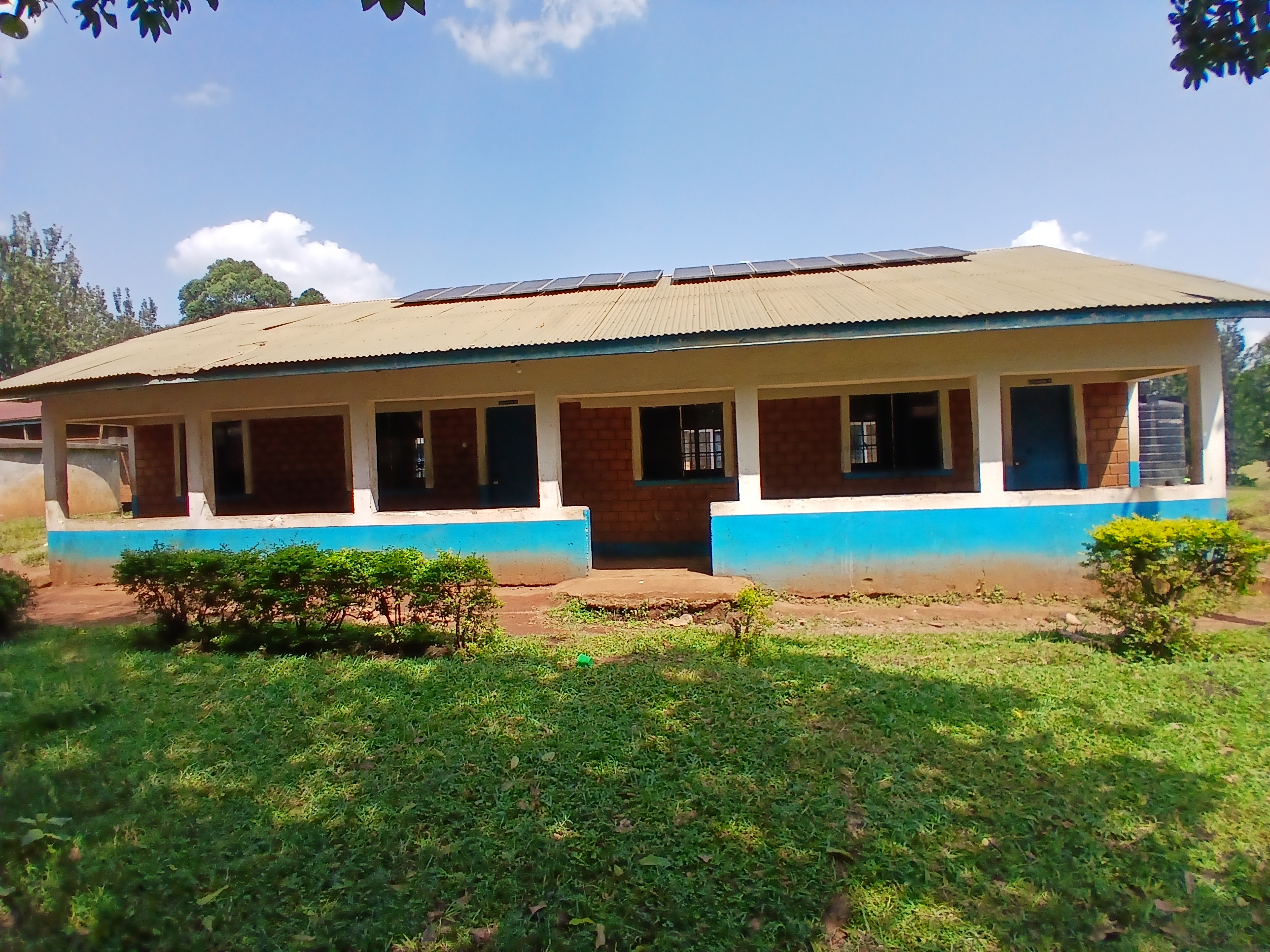 This is a two classroomed building. Just lying Idle because it has not been renovated.
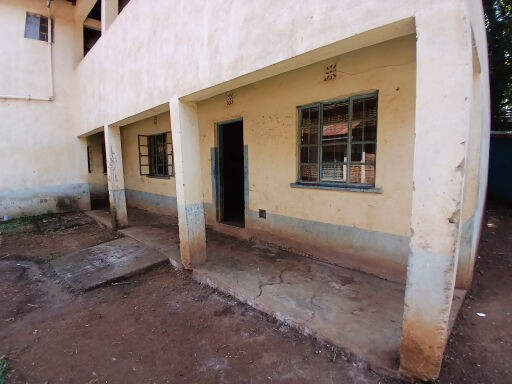 Another facility lying idle and is deeply craving for renovation.
Students sitting on floor due to insufficient desks.
Another facility lying idle and is deeply craving for renovation.
Students sitting on floor due to insufficient desks.
Need for Assistive Devices
At Kuja Special School for the Deaf, many learners require assistive devices to support their learning, communication, and daily living. However, the school faces significant challenges in acquiring, maintaining, and providing these essential resources to all learners who need them.
Hearing Aids
Many learners with residual hearing benefit from properly fitted hearing aids that amplify sound, improving communication and participation in classroom activities. However, the school lacks sufficient hearing aids for all learners who need them.
FM/Remote Microphone Systems
These systems transmit the teacher's voice directly to compatible hearing aids or cochlear implants, reducing background noise and improving speech clarity. The school has very few of these systems, limiting their effectiveness in classrooms.
Classroom Sound Field Systems
Sound field systems evenly distribute the teacher's voice throughout the classroom, benefiting learners with mild to moderate hearing loss. Most classrooms lack this essential equipment.
Visual Alert Systems
Flashing light alarms and visual notification systems help learners detect school bells, fire alarms, and emergency announcements. The school urgently needs these systems installed throughout the compound.
Captioned Learning Equipment
Televisions, projectors, and computers capable of displaying subtitles and captions make educational videos accessible to learners with hearing impairment. These are currently inadequate or unavailable.
ICT and Communication Devices
Computers, tablets, and educational software support visual learning, literacy development, and communication using digital resources. The school needs more of these devices for learners.
Sign Language Learning Materials
Illustrated charts, flashcards, posters, dictionaries, and digital resources help learners strengthen their Kenya Sign Language skills. Current resources are insufficient for the number of learners.
Augmentative and Alternative Communication (AAC) Devices
Communication boards, picture exchange systems, and speech-generating devices support learners with multiple disabilities who have additional communication challenges. These devices are critically needed.
Mobility and Positioning Equipment
Wheelchairs, walkers, standing frames, and adaptive seating enable learners with physical disabilities to participate comfortably in classroom activities. The school lacks adequate mobility equipment.
Specialized Educational Resources
Visual schedules, educational games, tactile learning materials, and adapted teaching aids support learners with multiple disabilities in developing communication, cognitive, and life skills. These resources are limited and need expansion.
Proposed Solution: Assistive Devices Support
Addressing the assistive devices gap requires a multi-faceted approach:
With adequate assistive devices, learners with hearing impairment and multiple disabilities can fully participate in learning, communicate effectively, and achieve their full potential. Support from partners, donors, and well-wishers is crucial in addressing this critical need.
Dormitory Challenges
Our learners face significant challenges in their sleeping quarters, which affects their rest and overall well-being.
Timber Beds in Girls' Dormitory
The girls' dormitory has old timber beds that are worn out, unstable, and unsafe. Many are infested with bedbugs and need immediate replacement.
The timber beds have undergone quite number of repair attempts control.
There is need for proper metallic beds for safety of our learners
Inadequate Beds
The beds that are available at the moment are not enough for our learners.
Painting
Boys' Dormitory needs serious painting.
Unfunctional Drainage System
Plumbing work needed to restore the system.
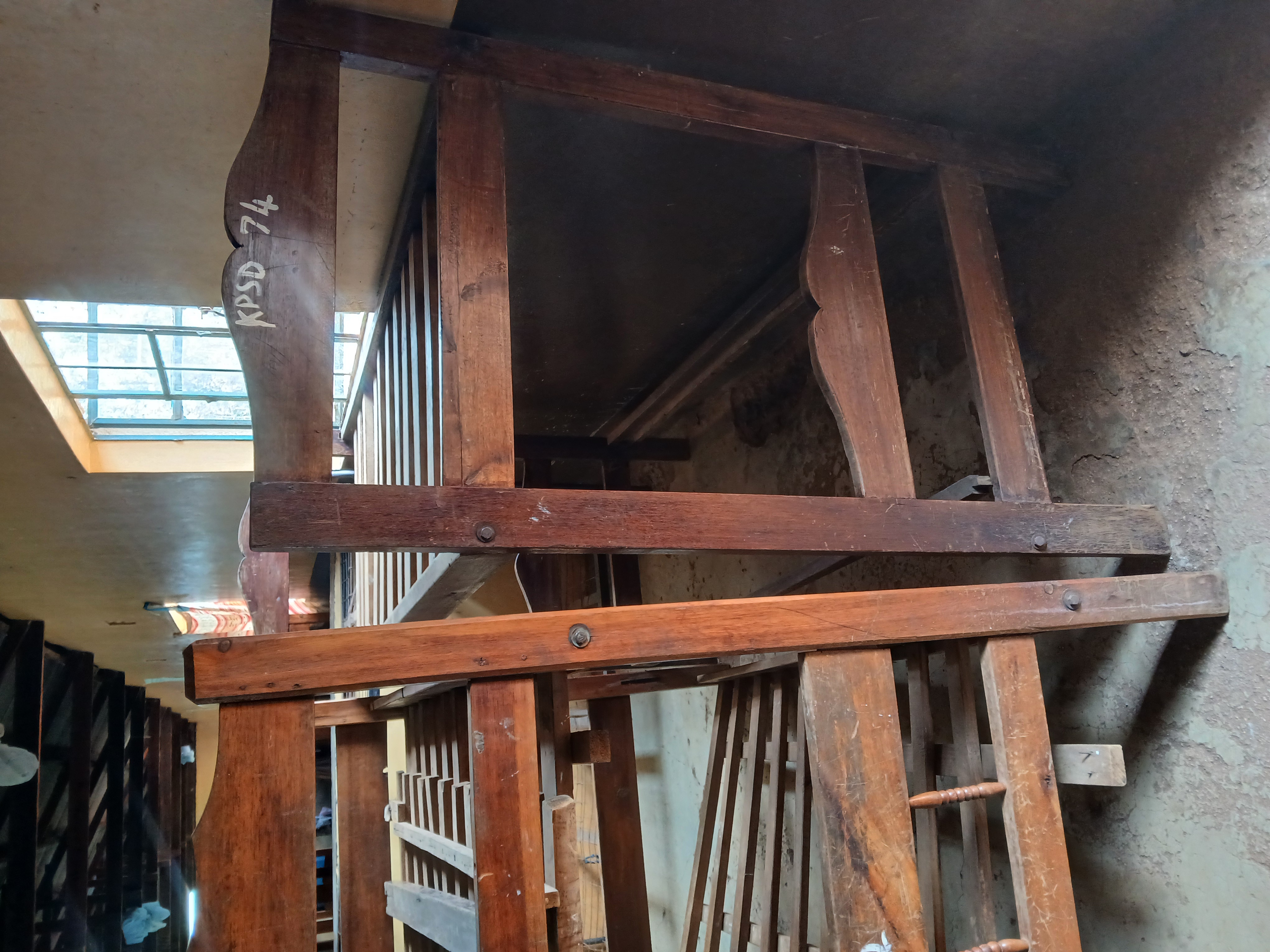 Worn out timber beds in girls' dormitory.
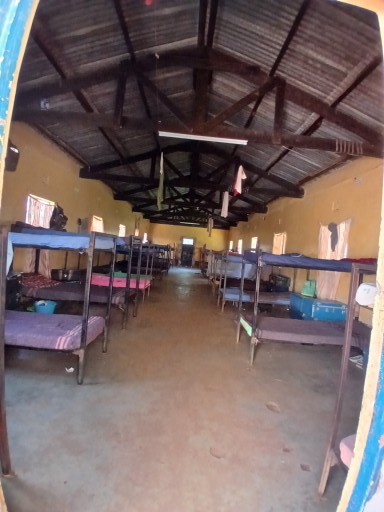 Inadequate beds forcing learners to share.
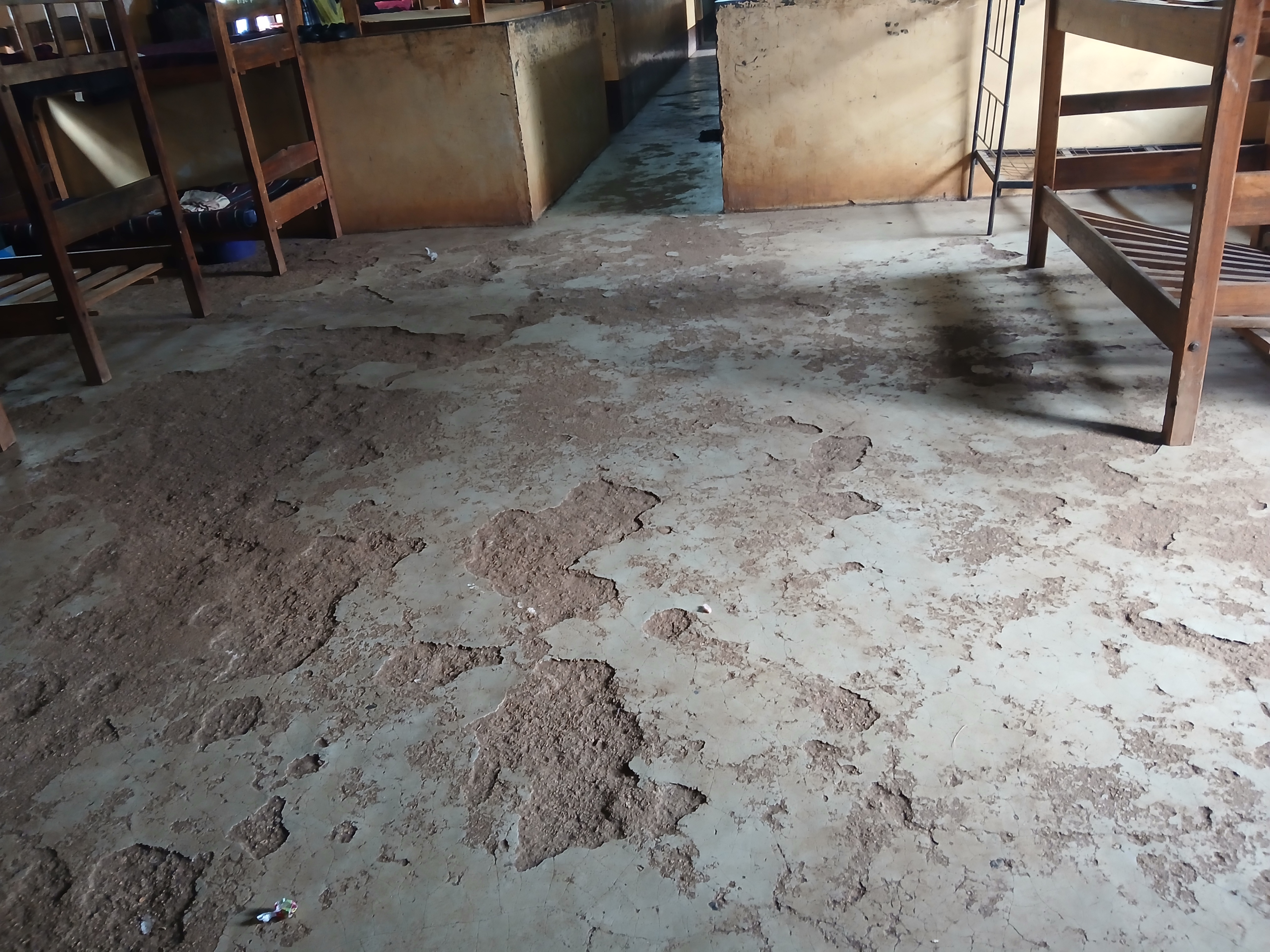 Poor Floor Condition In Girls Dormitory.
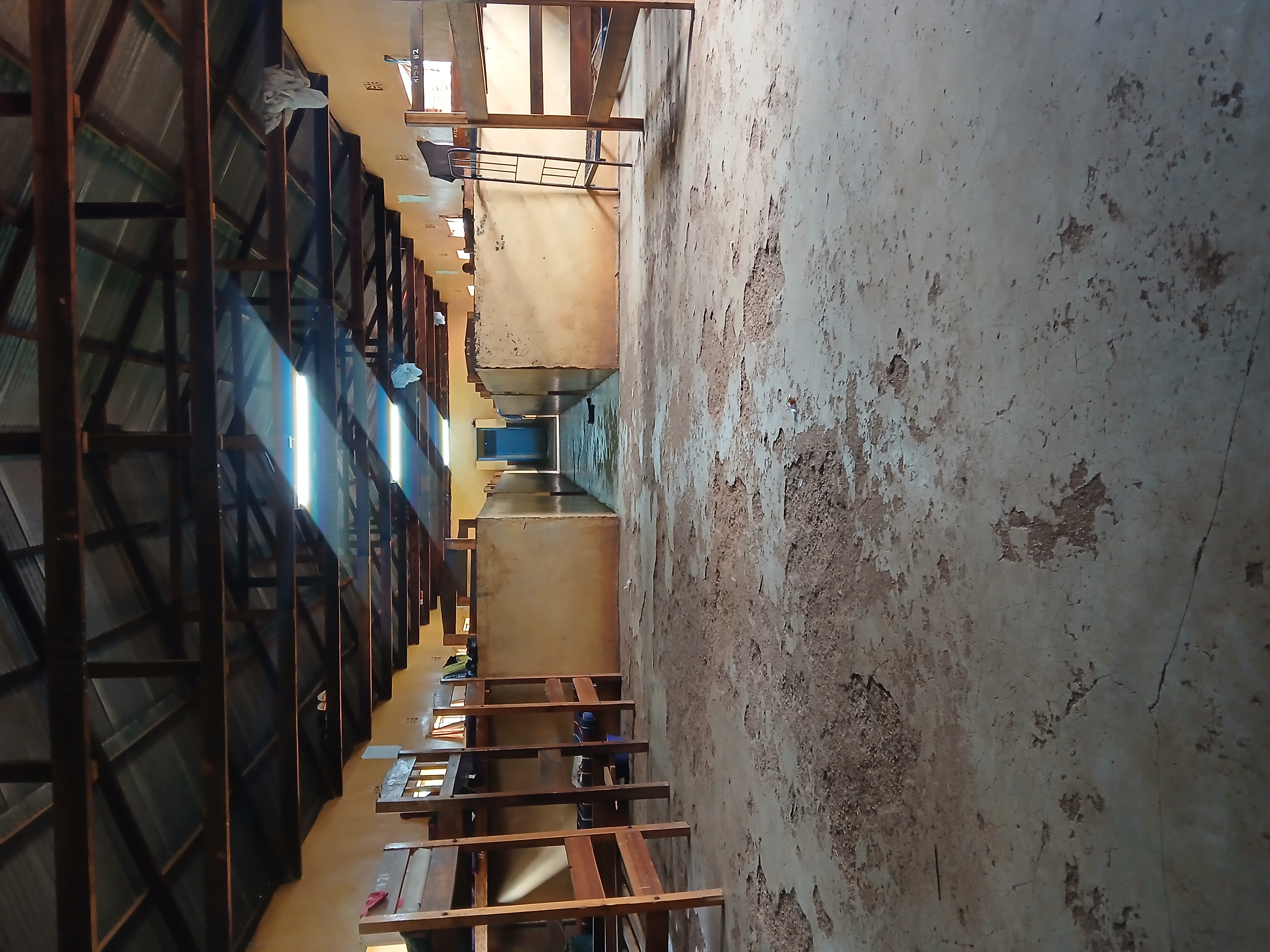 General Poor Girls' Dormitory Environment.
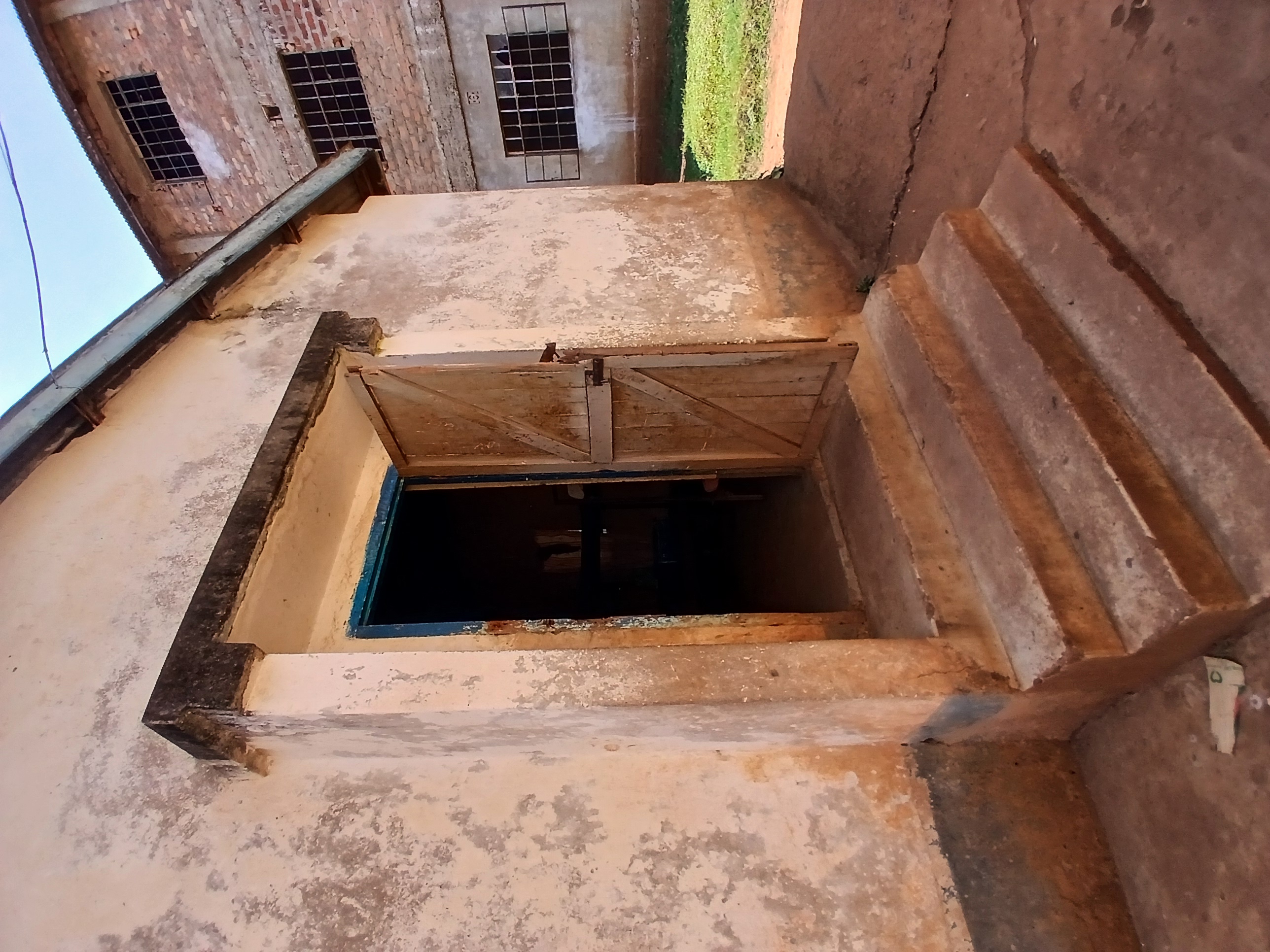 Broken door of boys' dormitory.
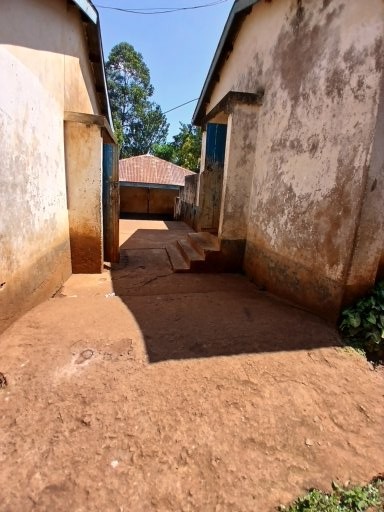 Overall poor dormitory conditions
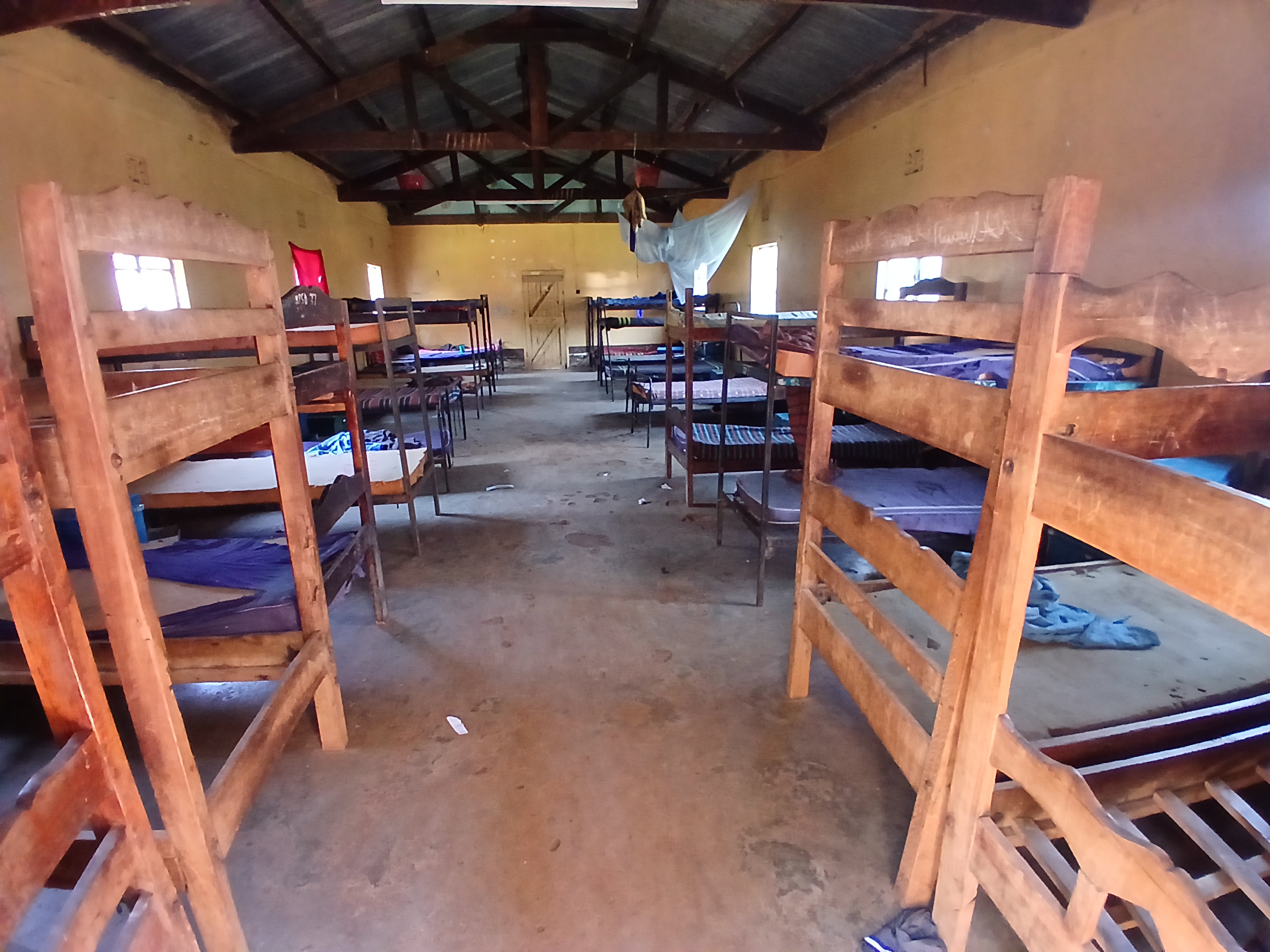 Overcrowded dormitory with limited space
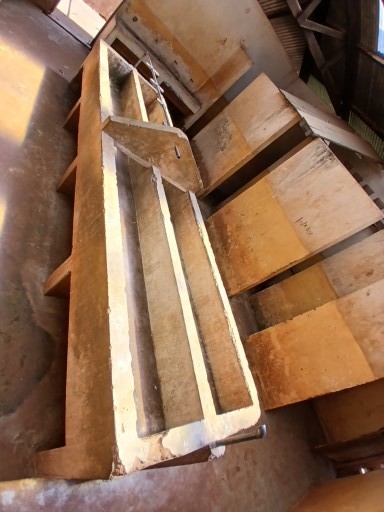 Urgent renovation needed for safe sleeping
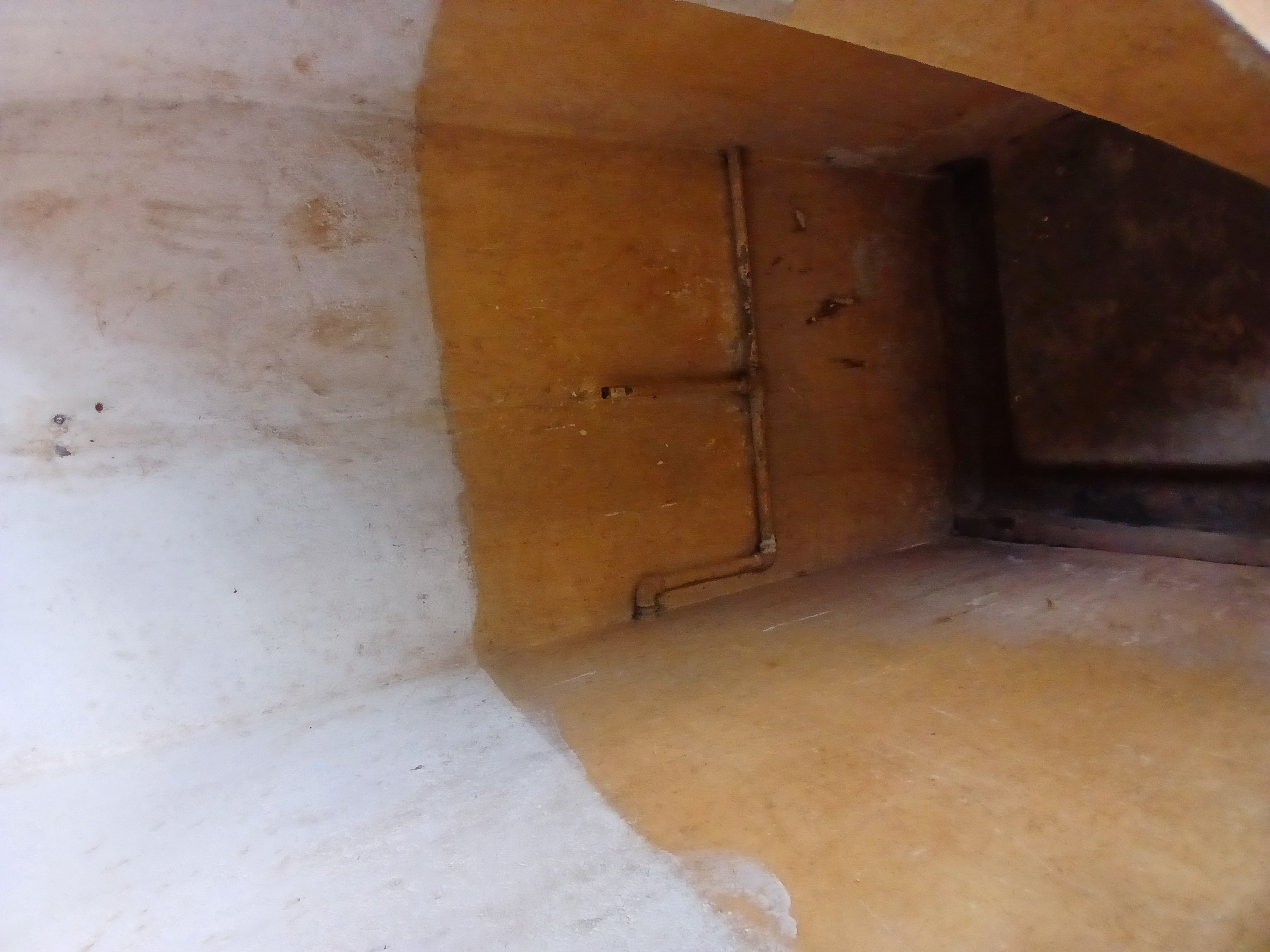 Broken water pipes inside ablution units
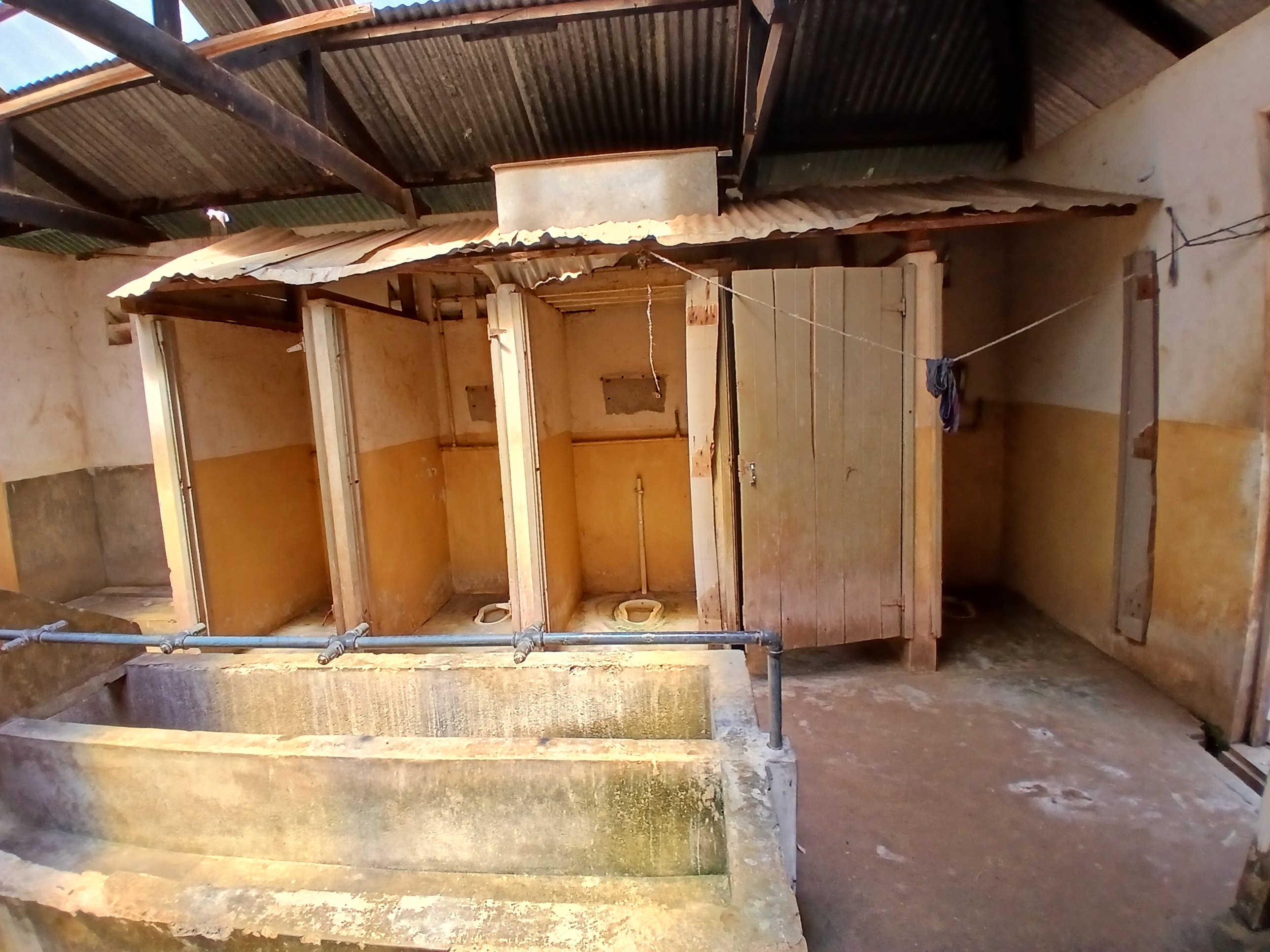 Unfunctional toilet system inside ablution block. Only renovation needed
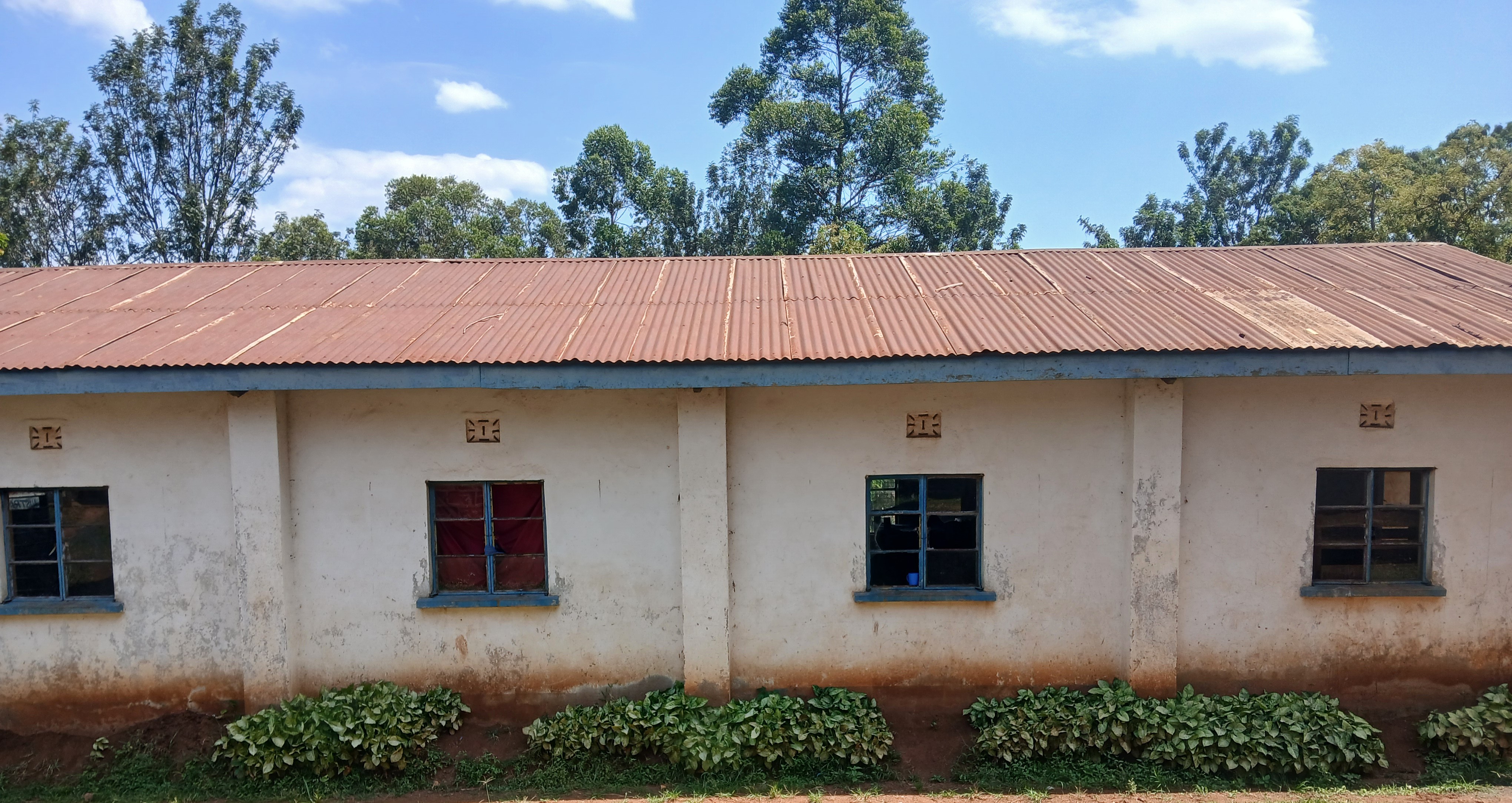 Broken window panes. Several are broken in both girls and boys dormitory blocks.
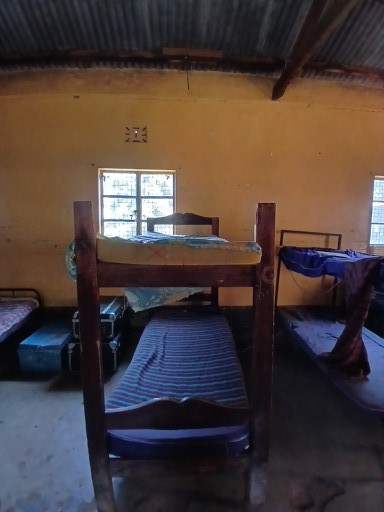 Deplorable state of beds.
Latrines - Serious Renovation Needed
Some toilet facilities at our school are in a state of disrepair, posing health risks and dignity concerns for our learners. What is needed is just renovation.
Broken Latrines
Most are broken.
Lack of Running Water
Many latrines lack running water, creating unhygienic conditions and health risks for learners.
Inadequate Latrines
The number of latrines used is insufficient for the school population, leading to long queues and unhygienic practices. All because most are unused due to renovation issues.
Structural Damage
Some latrine walls and roofing are damaged, leaving learners exposed to harsh weather conditions.
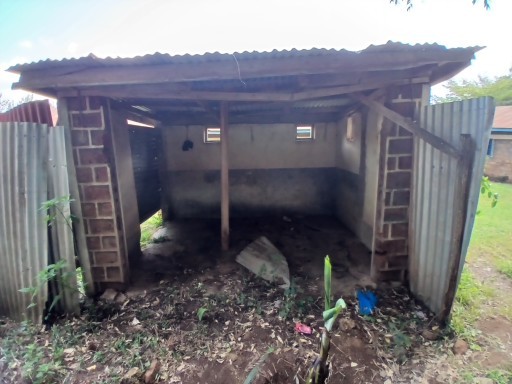 Broken and unusable latrine
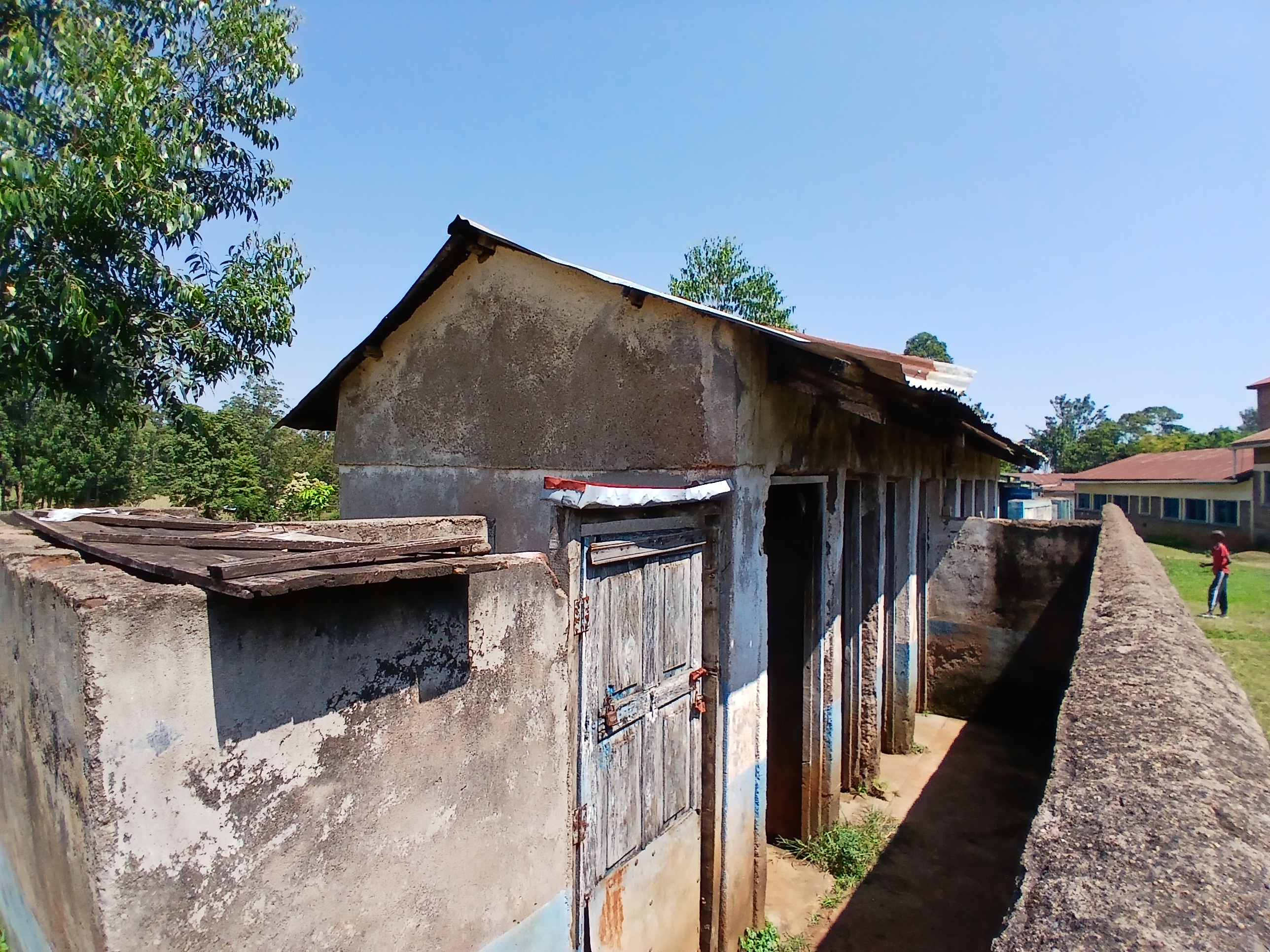 Poor latrine conditions requiring renovation
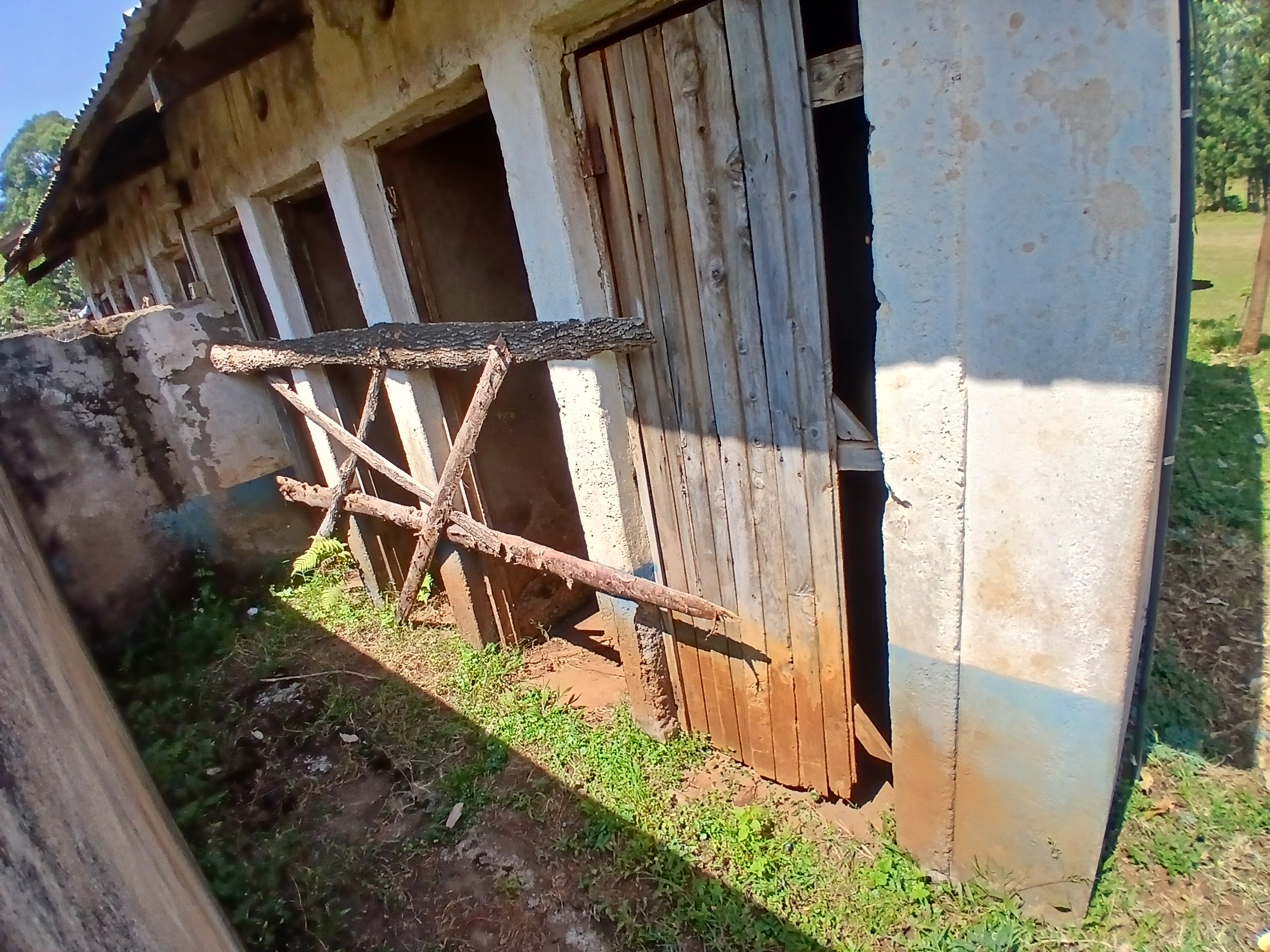 Structural damage
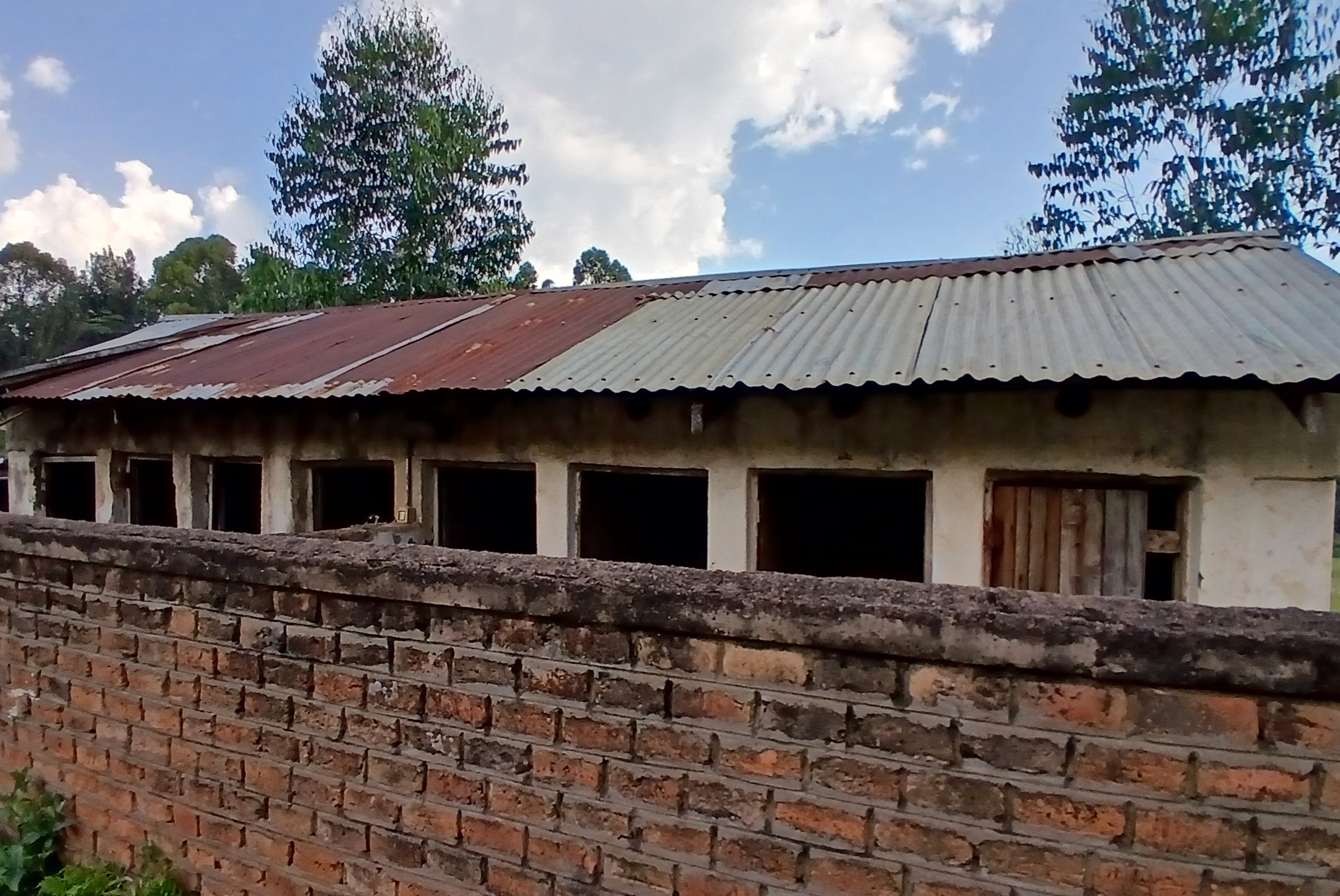 Broken latrine doors and leaking roof top needing replacement
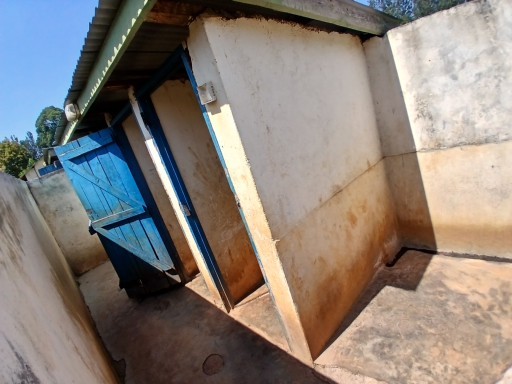 Urgent renovation needed for health and dignity
Teachers' Housing
Our dedicated teachers deserve decent accommodation, but the current housing units are in poor condition, affecting teacher morale and retention.
Leaking Roofs
Most teacher housing units have leaking roofs, making them uninhabitable during rainy seasons.
Corrugated Houses
Many teachers live in corrugated iron houses that are extremely hot during the day and cold at night.
Poor Flooring
The floors are cracked, dusty, and in some areas have holes, creating unsafe living conditions.
Inadequate Housing
There are not enough housing units for all teachers, forcing some to commute long distances.
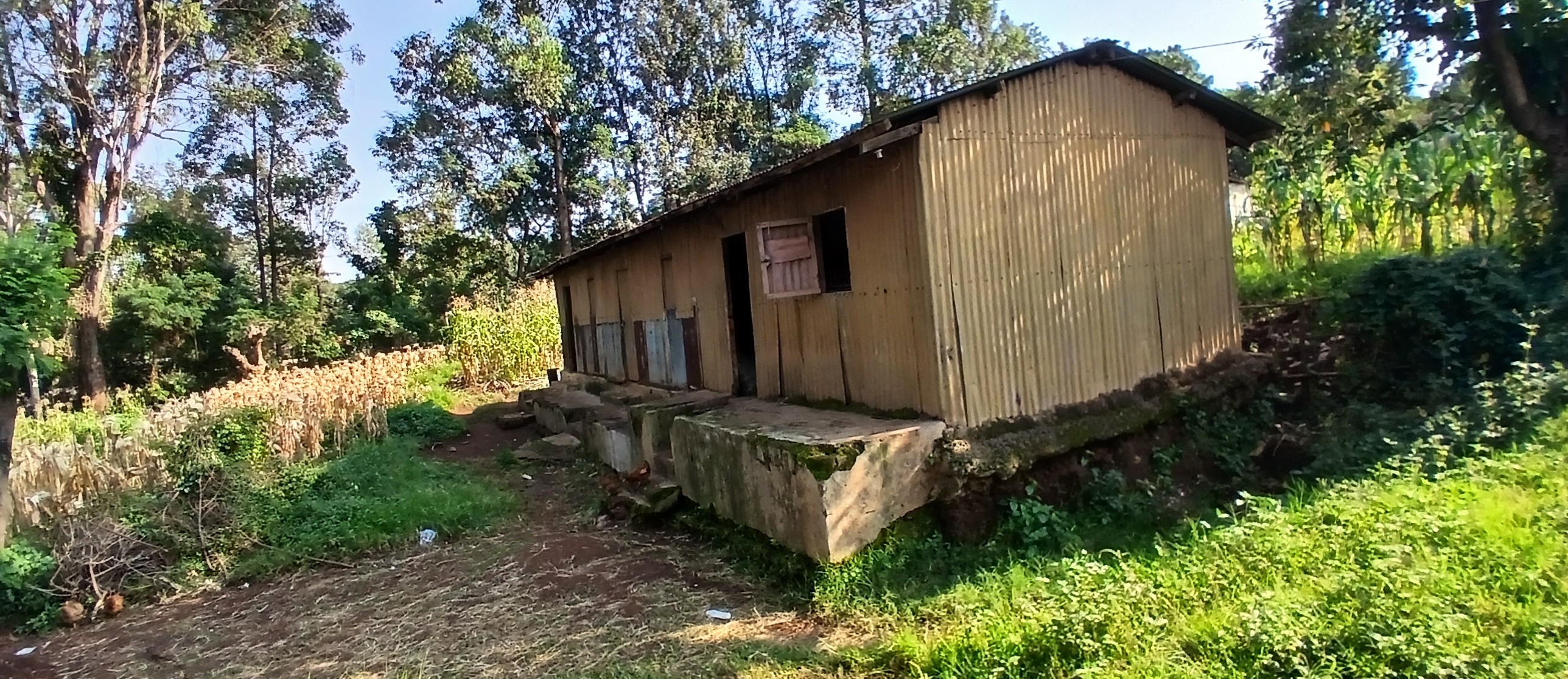 Leaking roofs in teachers' houses
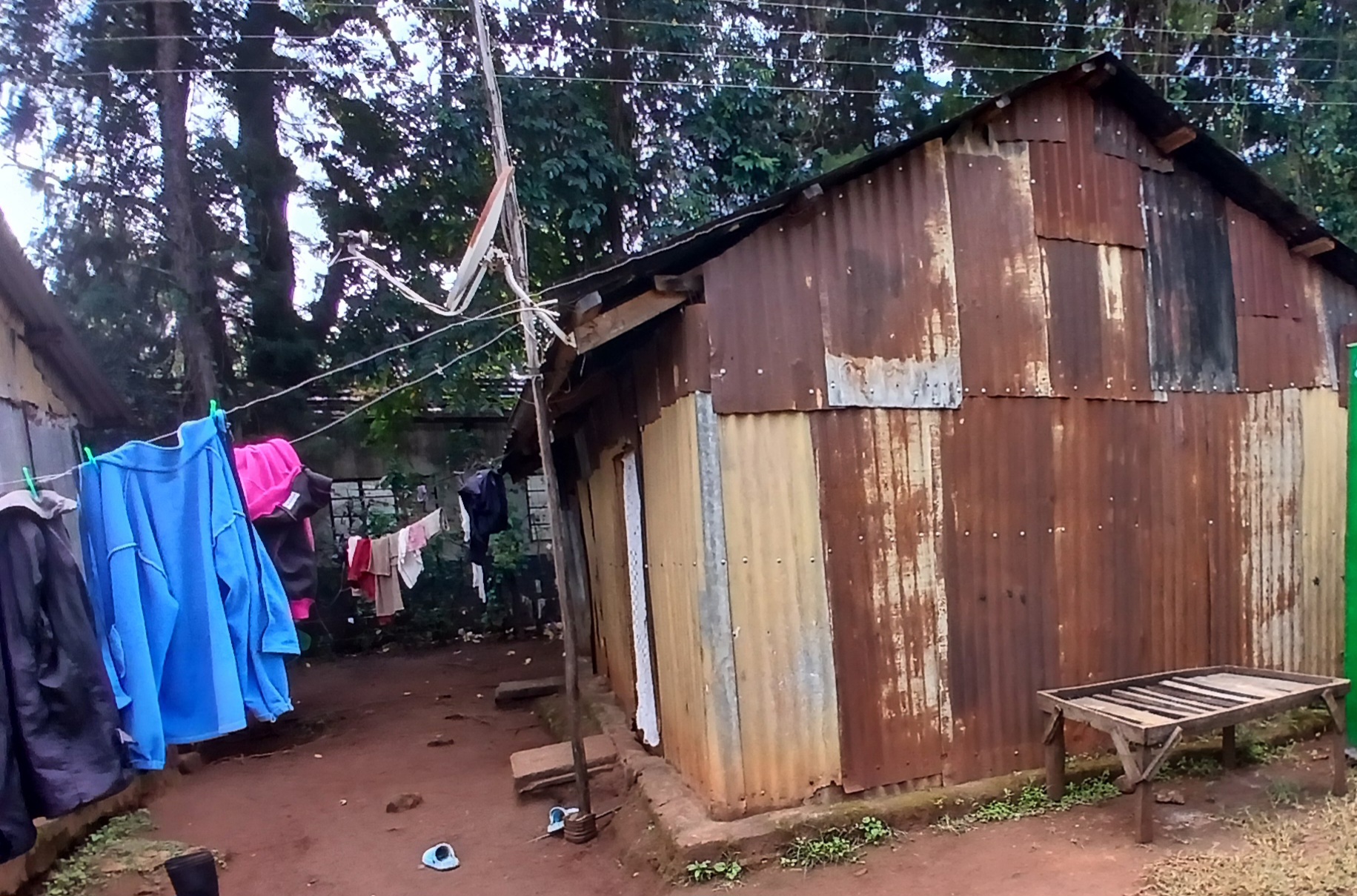 Corrugated iron houses for teachers
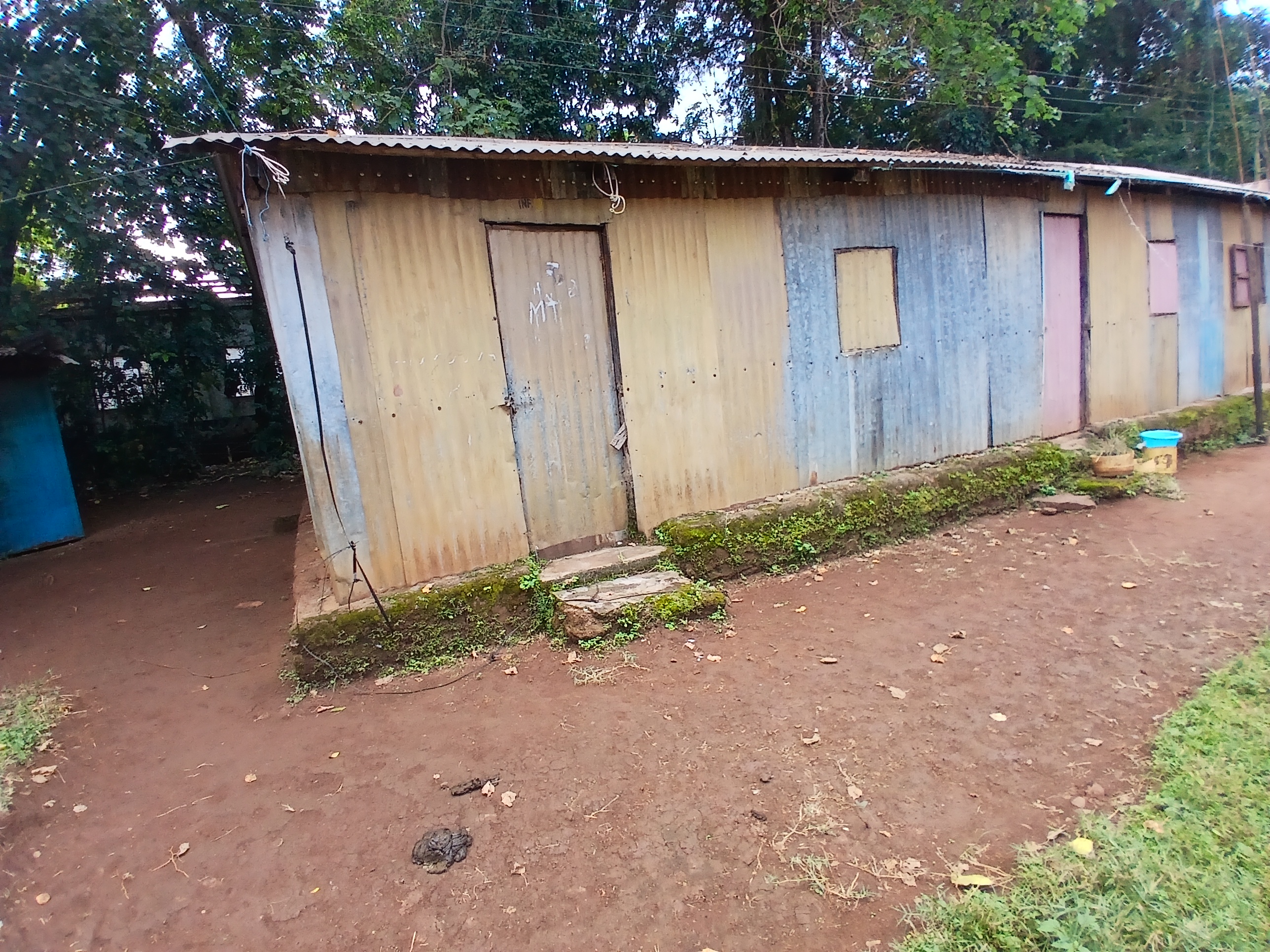 Poor housing conditions for teachers
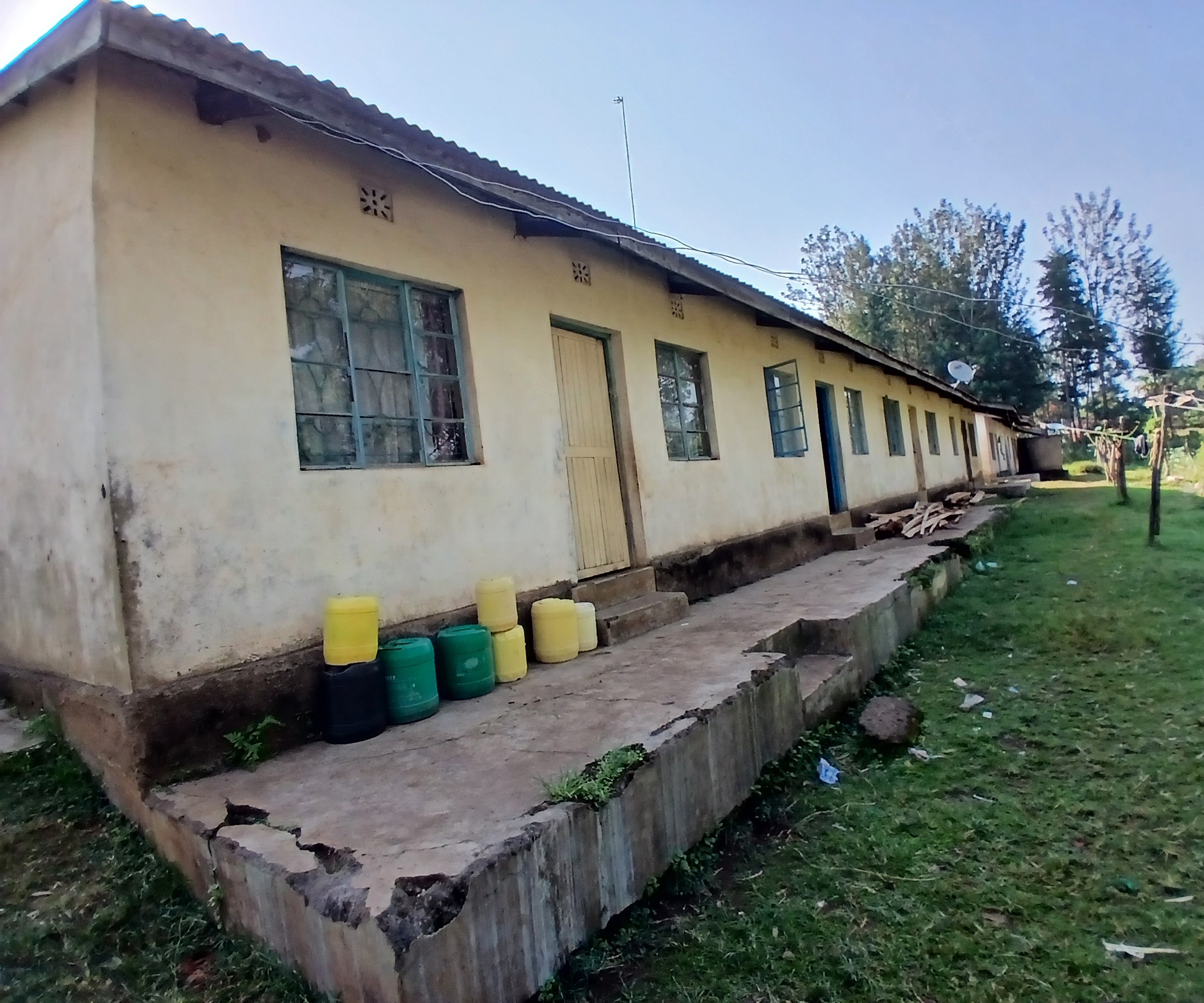 Needs Renovation
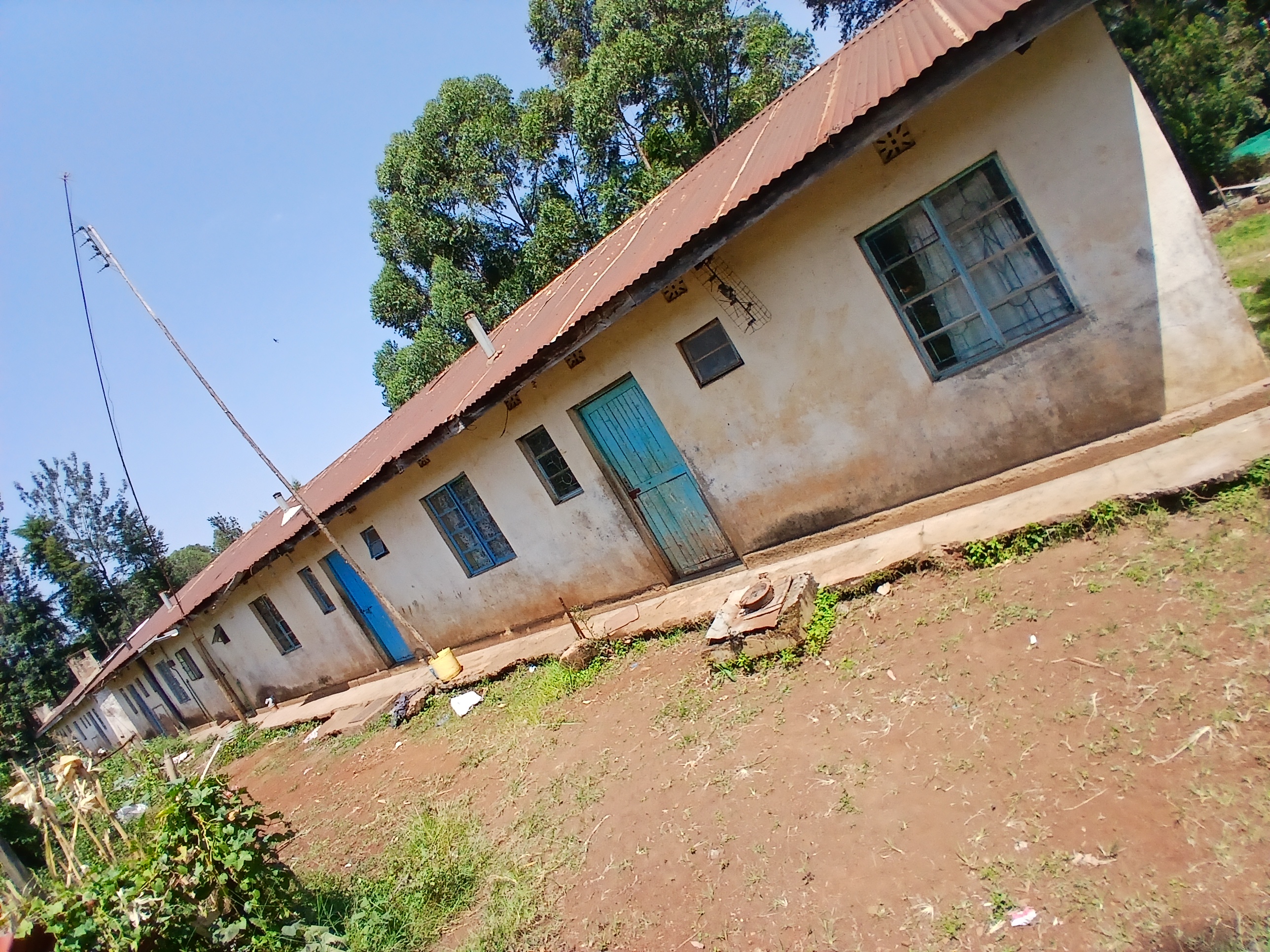 Renovation Needed
5. Kitchen - In Need of Urgent Renovation
The school kitchen, which serves meals to all learners, is in a deplorable state and requires immediate attention.
Leaking Roof
The kitchen roof leaks heavily during rains, making it impossible to prepare food safely and hygienically.
Poor Floor
The kitchen floor is cracked and uneven, creating hazards for staff and making cleaning difficult.
Non-functional Cooking Pots
Some cooking pots are old, worn out, and no longer functional, making it difficult to prepare adequate meals.
Poor Ventilation
The kitchen lacks proper ventilation, with smoke and heat accumulating dangerously, affecting both staff and food quality.
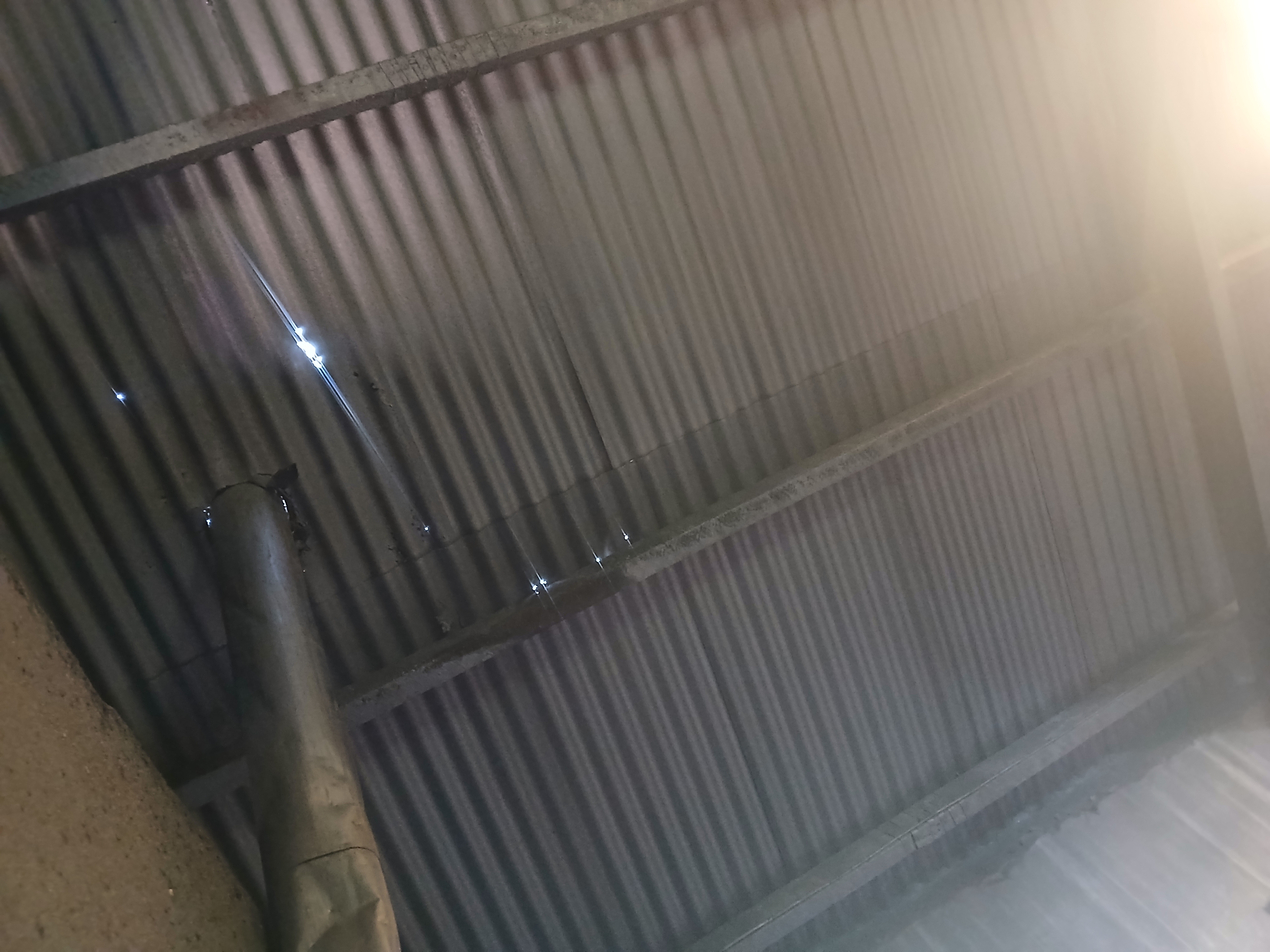 Leaking kitchen roof spots during rainy season
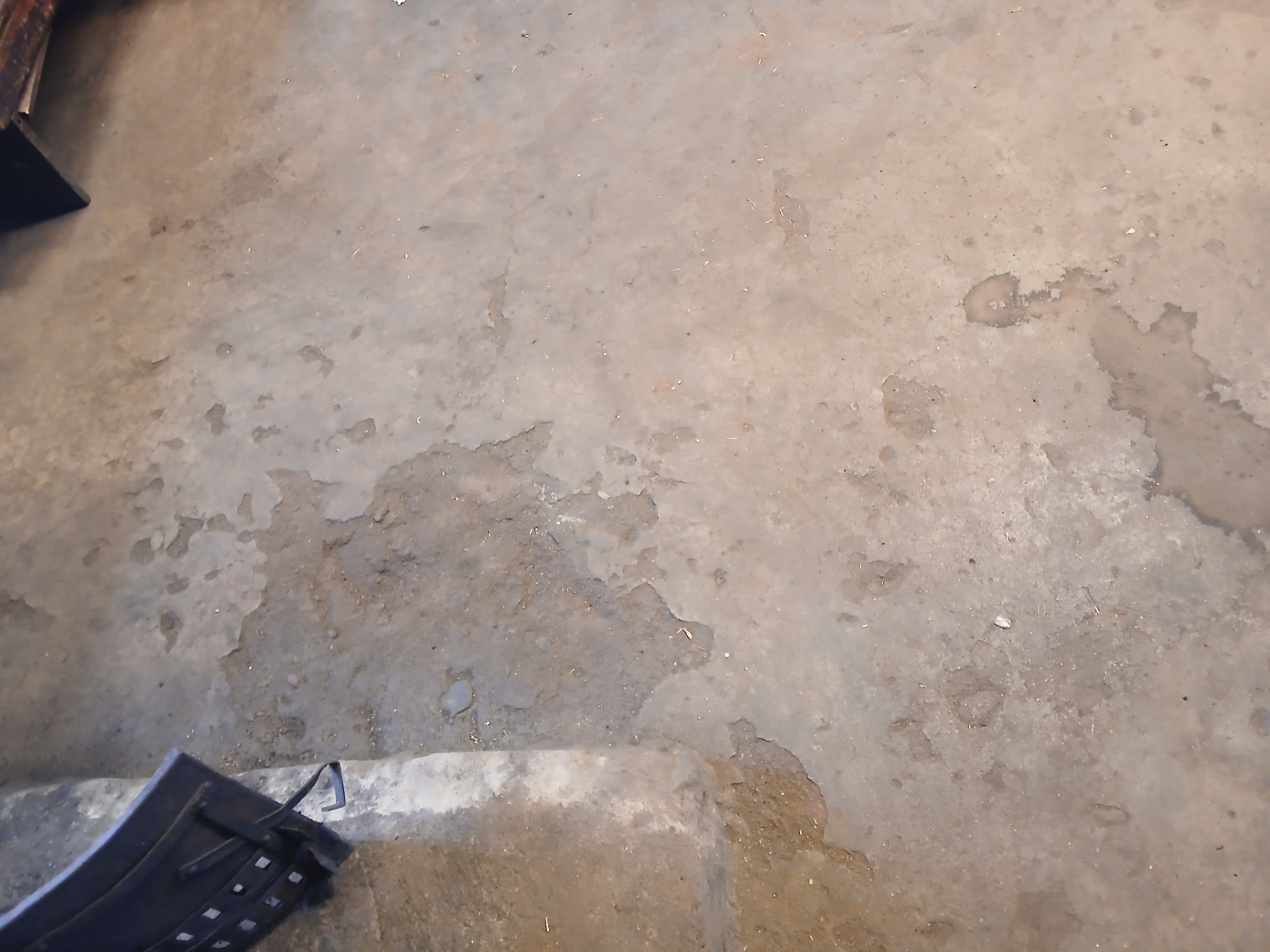 Cracked and poor kitchen floor
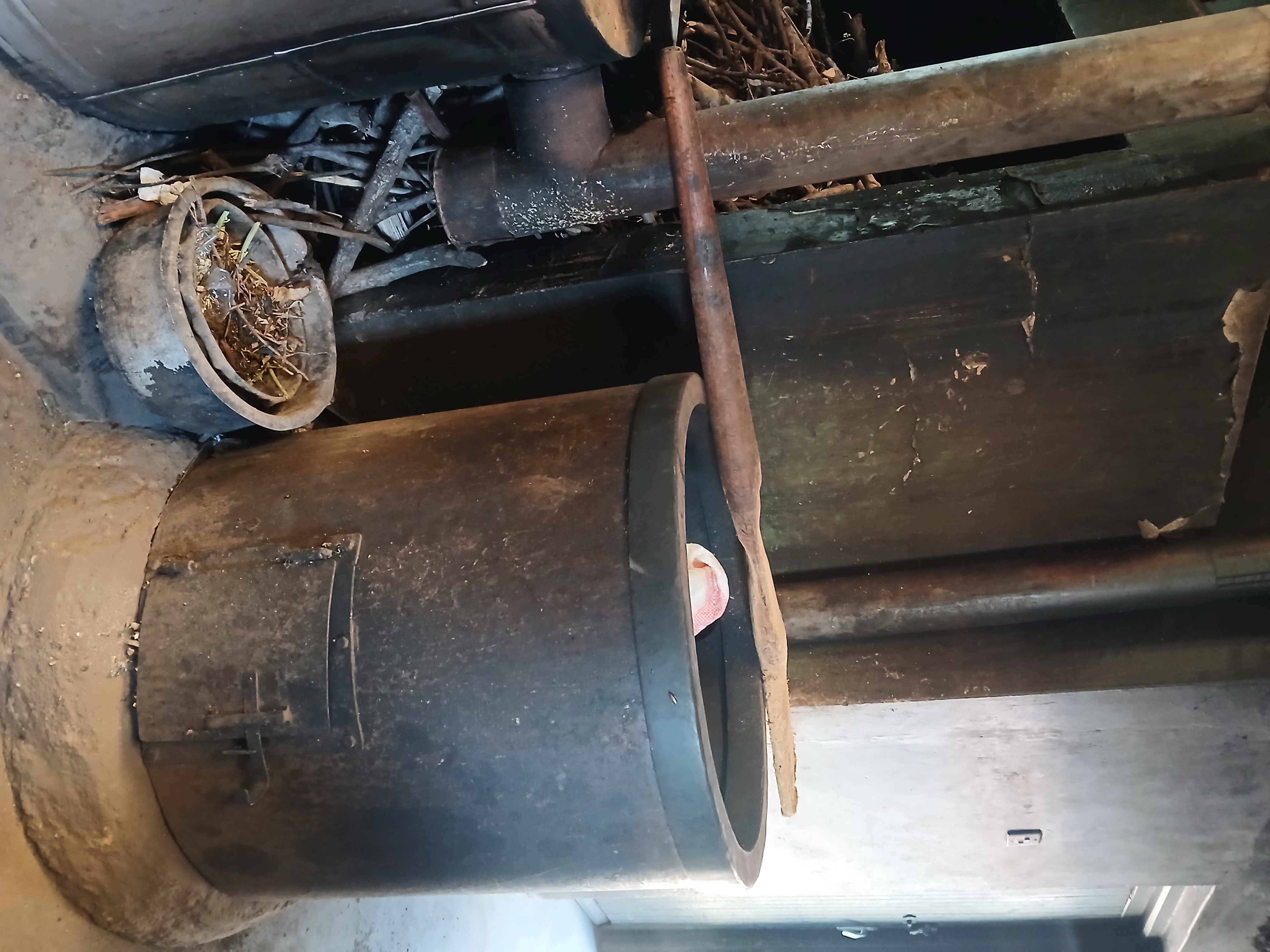 Old, non-functional cooking port
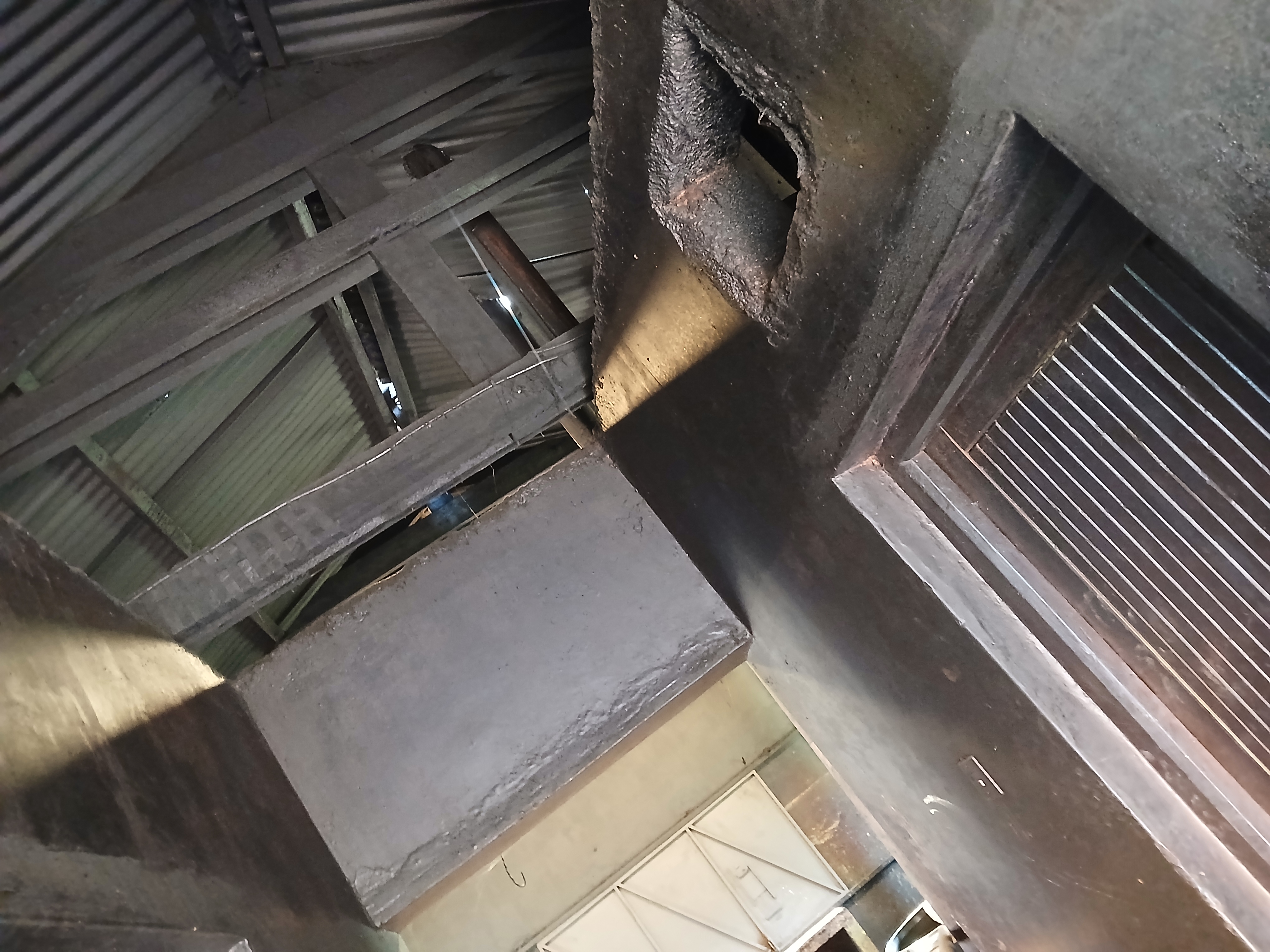 Poor ventilation causing smoke accumulation
 Kitchen panes. Urgent kitchen renovation needed.
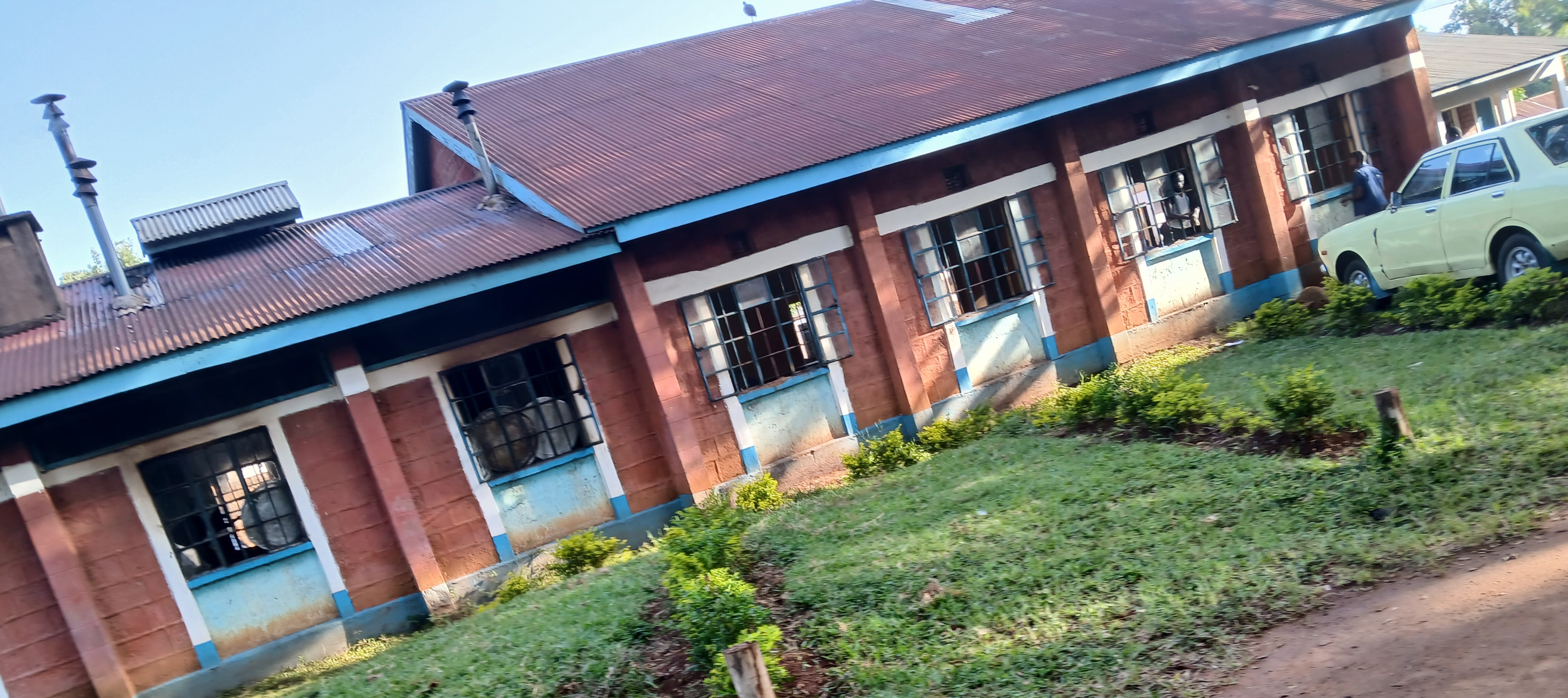 Kitchen building that neeeds serious renovation
 Kitchen Worktop needs an upgrade;should be raised. Generally, everythings needs renovation.
6. Water System - A Critical Need
Access to clean and adequate water is one of our most pressing challenges, affecting all aspects of school life.
Less Overhead Tanks
The school has overhead tanks but not sufficient, making it impossible to store sufficient water for daily use. Currently only water from one roof is tapped during rainy seasons because we have less gutters.
Shallow Well
Shallow well dries up during dry seasons.Again the water inside depletes very first after recharging. The recharge itself also comes out dirty.
A borehole would be a PLUS to the school so it quits relying on unreliable well and other water sources that often run dry.
Inadequate Water Supply
The current water supply is insufficient for the school population, affecting drinking, cooking, cleaning, and sanitation.
No Irrigation System
Without proper water storage and water sources, we cannot irrigate our crops, limiting our agricultural projects.
Additional Challenges
Beyond the major infrastructure challenges, we face several other issues that hinder our mission to provide quality education.
Unreliable Internet Connectivity
The school relies primarily on the Government Public Wi-Fi (GOK Public Wi-Fi), which is often slow, unstable, and unavailable for extended periods. This negatively affects the School Management System, online communication, software updates, research activities, and digital learning. Reliable, high-speed internet is essential for efficient ICT operations.
Communication Barrier Between Parents and Learners
A significant number of parents and guardians lack knowledge of Kenyan Sign Language (KSL). This communication gap limits meaningful interaction with their children, reducing parental involvement in academic progress, emotional support, and decision-making. It also affects effective collaboration between the school and families.
Social Stigma and Limited Public Awareness of Deaf Culture
Many members of the public have little understanding of deafness and Kenyan Sign Language. As a result, learners with hearing impairment often experience stigma, discrimination, social exclusion, and public embarrassment. Greater public awareness is needed to foster acceptance, respect, and inclusion of persons with hearing disabilities.
Limited Integration of KSL in Mainstream Education
Although Kenyan Sign Language is recognized nationally, it is not widely taught in mainstream schools. Introducing KSL as an optional or examinable subject in regular schools would promote inclusive communication, reduce discrimination, and strengthen interaction between hearing and deaf communities.
Need for National and Community KSL Awareness Programmes
There is a need for the Government, Ministry of Education, County Governments, and disability organizations to organize regular workshops, seminars, and public awareness campaigns on Kenyan Sign Language. Such initiatives would equip parents, teachers, healthcare workers, police officers, and the general public with basic KSL skills, thereby improving communication and reducing barriers faced by deaf learners.
Severe Soil Erosion at the School Entrance
The section extending from the main gate into the school compound has been heavily affected by soil erosion. Continued erosion has exposed tree buttress roots and created uneven surfaces that pose safety risks to learners, staff, and visitors. During rainy seasons, movement becomes difficult and hazardous.
Unsafe Walkways Within the School Compound
The eroded pathways increase the risk of slips, trips, and falls, particularly for young learners and visitors unfamiliar with the terrain. The affected areas require urgent rehabilitation through cabro paving, stone pitching, drainage improvement, or installation of stone chips to create safe and accessible walkways.
Limited ICT Infrastructure
Despite significant progress in digital transformation, the ICT Department still requires additional computers, networking equipment, multimedia projectors, backup power solutions, and specialized assistive technologies to fully support teaching, administration, and inclusive learning.
Fencing Issues
The school fence is broken in many places, making the school vulnerable to security risks and encroachment.
📸 Challenges in Pictures
Visual documentation of the challenges we face
 Severe Soil Erosion at School Entrance
 Broken Fencing Exposing School to Security Risks
 Unsafe Walkways Within the School Compound
Recommended Solutions
To address these challenges, we propose the following interventions:
Install Dedicated High-Speed Fibre Internet
Install a dedicated high-speed fibre internet connection with enterprise-grade Wi-Fi coverage across the school.
Nationwide KSL Awareness Campaigns
Introduce nationwide Kenyan Sign Language awareness campaigns targeting parents, communities, and public institutions.
Integrate KSL in Mainstream Schools
Integrate Kenyan Sign Language as an optional or examinable subject in mainstream schools to promote inclusion.
Organize Regular KSL Workshops
Organize regular KSL workshops for parents, guardians, teachers, and community members.
Rehabilitate Eroded Sections
Rehabilitate the eroded section from the main gate using cabro paving, proper drainage, retaining structures, and stone pitching to enhance safety.
Expand ICT Infrastructure
Expand ICT infrastructure by providing additional computers, projectors, networking equipment, and assistive technologies to support digital learning and efficient school management.

Help Us Lighten the Yoke
Your support can make a difference in the lives of our learners. Together, we can overcome these challenges and create a better learning environment.